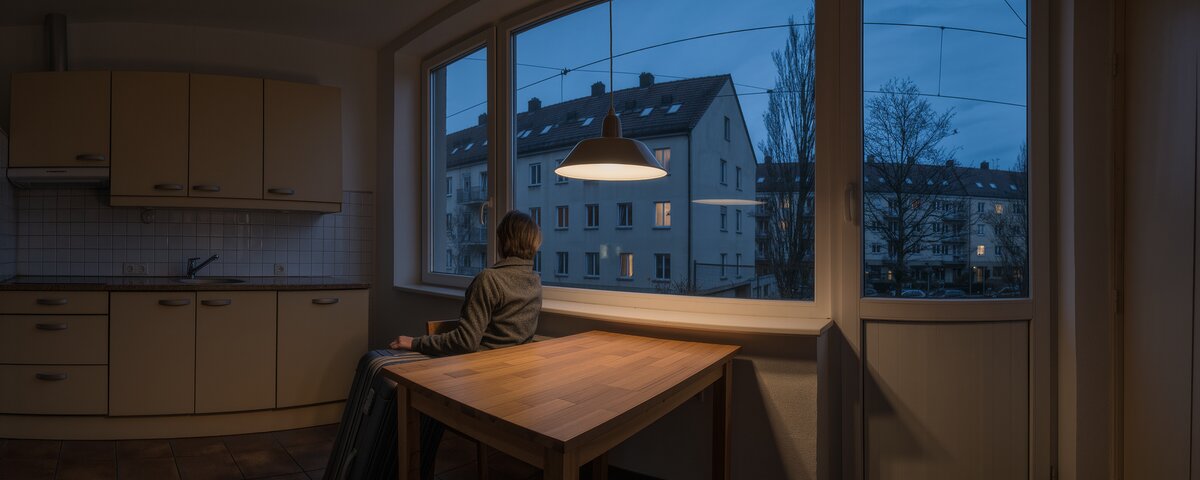
A business trip to London from Frankfurt or Munich is under two hours, and the week runs on a different clock. What to arrange before a site visit or a longer stay.
By KF.Social·5 min read·Published 16th October 2026
You are coming over for a site visit, an audit, a trial monitoring week or a regulatory review, and it might be five days or it might be six weeks. From Frankfurt, Munich, Berlin or Düsseldorf the flight is somewhere between an hour and a half and two hours, London is one hour behind you, and on paper it is one of the easiest trips you will take all year.
That is exactly why people under-prepare for it. The work will be fine. What catches people out is the evening, and how differently London runs it.
01Before you fly: the things worth ten minutes now
Check the ETA. Most visitors to the UK from the EU, Germany included, now need an Electronic Travel Authorisation before they travel if they are coming without a visa. It is applied for online and it is linked to your passport. If your trip involves more than meetings and site visits, ask your employer's travel or mobility team which permission the work actually needs, because that is a question about your activity, not your nationality.
Look at where the site is before you book the room. A lot of pharmaceutical, laboratory and manufacturing work around London happens on business parks at the edge of the city or well beyond it. A hotel next to the site is convenient at eight in the morning and can be a very long way from anything at seven in the evening. Check the last useful train back before assuming you will go into town after work.
Bring a card, not cash. London is close to cashless. Many places prefer card, some take nothing else, and the Underground and buses work by tapping a contactless bank card or phone. Use the same card to tap in and out every time, or you will be charged twice. Check what your bank charges for payments in pounds.
Plugs. The UK uses its own three pin plug and your European ones will not fit. Bring two adapters.
Put one thing in the diary before you land. The trip that starts with an empty evening calendar and a plan to sort it out later is the trip where you eat in the hotel every night.
02The day runs later, and the evening starts in a pub
If your working day at home starts early and finishes early, London will feel shifted. Meetings start later, the afternoon keeps going, and the natural end of the day lands later than you are used to. People who expected to be free by five find the evening beginning at half six or seven.
A lot of British working social life then happens in a pub immediately after work, standing, unplanned, in a loose group that forms and disperses without anybody organising it. It is a real way in and you should go a few times. It is also loud, fast and full of references you will not have, and good English does not make it easy. Finding it hard says nothing about you.
Dinner itself tends to be a little later than a German weeknight dinner, with most restaurants busiest from about half seven. And one thing people coming from Germany often find strange: a service charge, commonly 12.5 percent, is frequently added to the bill automatically. It is discretionary, so read the bill before you add a tip on top.
03Weekends, if you stay over
If the trip runs across a weekend, the good news is that Sunday in London is not a closed day. Large shops open for part of the day, smaller ones and markets for longer, and museums and galleries are open. The less good news is that a weekend alone in a hotel is the point at which most people notice they have not spoken to anybody who is not a colleague all week. Plan the first one before you arrive: a walk, a museum, a meal out properly, something with a time attached.
04The evenings, concretely
Decide before you go that the first fortnight has one fixed thing in it, midweek, that does not depend on anybody inviting you. Fixed, because a standing arrangement survives a long day on site. Midweek, because Tuesday and Wednesday are the evenings that stay empty; Thursday and Friday tend to have something attached to them, even if it is only the pub.
A booked dinner is one straightforward way to do it. KF.Social seats you at a table of six at a London restaurant on a set evening. KF.Social runs tables of six in London on weeknight evenings, sitting at 19:00, and the London page lists the dates on sale with the night and the area for each. The seat costs 15 pounds, which pays for the matching and not for the meal, and you pay the restaurant for your own food and drink. Everything is in English, and the conversation is a table of six taking turns rather than a crowded bar.
The timings, because they matter when your week is not your own: booking closes six hours before, the restaurant lands about six hours before, and who you are sitting with about an hour before, when the group chat opens. If the week changes, cancelling 72 hours or more ahead returns the 15 pounds to your card, and inside 72 hours it does not come back. If the table does not run, everyone is refunded in full whatever the clock says. Booking gates on two things only: being 18 or over, and having paid. Everybody at the table booked and paid for their own seat exactly as you did.
The flight is short and the paperwork is mostly an ETA. Check where the site is before you book the hotel, bring a card rather than cash, and expect the day to end later and the socialising to start in a pub. Go a few times without drawing conclusions, read the bill for a service charge, and put one fixed midweek evening in the diary for the first fortnight while you still have the energy to bother.
Related Questions
Do Germans need an ETA to visit the UK for work?
Most EU nationals, including Germans, now need an Electronic Travel Authorisation to visit the UK without a visa, and it has to be in place before you travel. Whether your particular work is allowed as a visit is a separate question that depends on what you will be doing, so ask your employer's travel or mobility team if the trip involves more than meetings and site visits.
How long is the flight from Germany to London?
Roughly an hour and a half from Frankfurt or Düsseldorf and about two hours from Munich or Berlin, and London is one hour behind Germany. The short flight is why people prepare for it like a day out, which works for a few days and much less well for a stay of several weeks.
Is London cashless?
Very nearly. Card and phone payments are accepted almost everywhere, some places take nothing else, and public transport works by tapping a contactless card or phone. Use the same card to tap in and out each time, and check what your bank charges for payments in pounds.
Do I need to tip in London restaurants?
Often a service charge, commonly 12.5 percent, is already added to the bill. It is discretionary, and you do not need to tip on top of it. Where there is no service charge, around ten to twelve and a half percent for table service is usual.
What is there to do in the evenings on a site visit outside central London?
Less than you would hope if the hotel is on the business park. Check the train into town before you book, and if the site is far out, plan one or two evenings a week in the centre rather than every night. A fixed midweek booking survives a long site day far better than a vague plan to go out.
 KF.Social