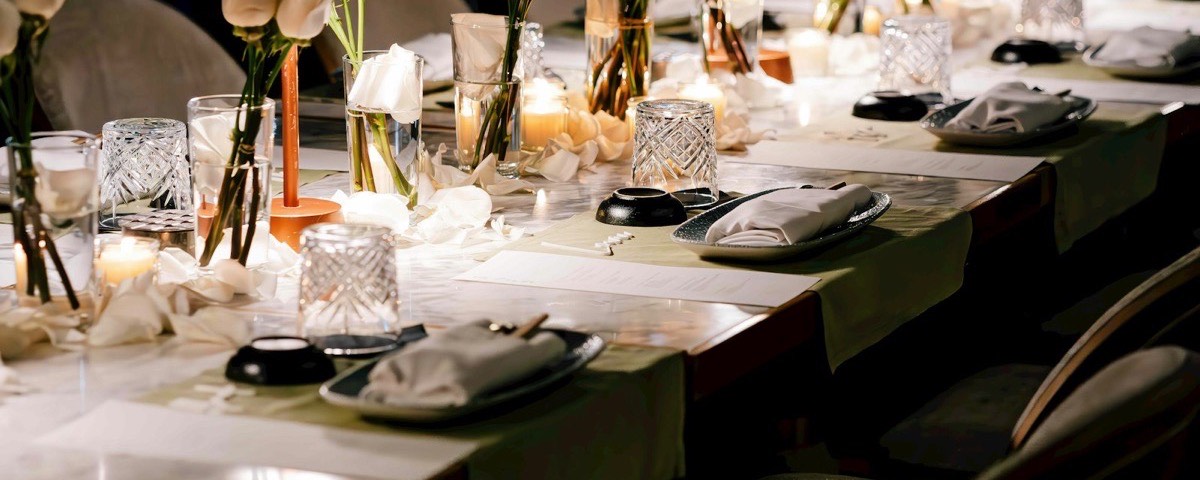
How to eat alone at a restaurant and actually enjoy it: is it weird, where to sit, what to do, and what to do instead on the eleventh night of a business trip.
Almost everyone wants to eat out alone at least once, and almost everyone talks themselves out of it, sure that the whole room is judging the person at the table for one. They are not. To eat alone at a restaurant and actually enjoy it, book or arrive with a little intention, sit at the bar or a window if you can, bring something light for the gaps rather than hiding in your phone, and remember that nobody is watching you nearly as closely as you fear.
Eating out alone is a genuinely good experience once you get past the first time, and the anxiety fades far faster than you expect. Most people who try it start doing it on purpose.
If the thought makes you cringe slightly, you are in good company, dining solo is one of those things almost everyone finds daunting and almost everyone ends up enjoying. Here is how to do it with confidence, and one gentle alternative for the nights you would rather not be alone at all.
01Is It Weird to Eat Alone at a Restaurant?
No. It only feels weird because of a trick your mind plays called the spotlight effect: we massively overestimate how much other people notice and judge us. The truth is the diners around you are absorbed in their own meals and conversations. A solo diner is completely unremarkable to everyone except the solo diner. Waitstaff see people eating alone every single day and think nothing of it. The self-consciousness is real, but the audience you are imagining does not exist.
02How to Eat Alone With Confidence
Remember
Nobody is watching you nearly as closely as you fear. Thanks to the spotlight effect, a solo diner is completely unremarkable to everyone except the solo diner.
Pick the Right Spot to Start
For your first few solo meals, choose somewhere with a natural place for one. Bar seating, counter dining, a window bench, or a relaxed cafe all feel easy because a single seat is expected there. Ramen bars, sushi counters, bistros, and brunch spots are classic solo-friendly choices. Build up to the candlelit table for two when you are ready; there is no rush.
Choose Your Time
A slightly off-peak slot, a late lunch, an early dinner, means a calmer room and more attentive service, which makes a first solo meal feel gentler. Once you have a few under your belt, a buzzing Friday night alone feels completely fine too.
Bring a Prop, But Not a Shield
A book, a notebook, or a magazine gives you something to do in the gaps and signals contented rather than lonely. The distinction that matters: use it to enjoy the moment, not to hide from the room. Endlessly scrolling your phone with hunched shoulders reads as anxious; reading a novel over a glass of wine reads as a person having a lovely time, because you are.
Order What You Actually Want
One of the underrated joys of eating alone is total freedom, the exact dish you fancy, at your pace, no compromise. Order the thing. Have the dessert. Linger or leave as you please. This is a meal on your own terms, which is a small luxury most people rarely get.
Talk to People If You Feel Like It
Solo dining quietly opens doors. Bar seats put you next to other diners and the bartender; a friendly word about the food is the easiest conversation there is. You are under no obligation to chat, but eating alone often makes you more approachable and more open than you would be tucked into a group. Some of the nicest restaurant conversations happen exactly this way.
03Handling the Practical Awkward Moments
A few specific moments trip up first-time solo diners, and each has an easy answer. Being asked "just one?" is not a judgement, it is a seating question; a simple "yes, just me, thanks" said warmly is all it needs, and staff hear it constantly.
Waiting for your food with nothing to do is why the book or notebook earns its place, but you can also simply people-watch or enjoy the room, contentedly doing nothing in public is a skill worth having.
Feeling rushed on a busy night is rare, but if it happens, you are a paying guest entitled to your table for the length of your meal; there is no need to gulp and go. None of these moments is as visible to others as it feels to you.
04Solo Dining While Travelling
Eating alone comes into its own when you travel. It frees you to eat where and when you like, follow your curiosity, and actually taste a place rather than negotiating a group's preferences. Counter seats at local spots are perfect for this, they put you shoulder to shoulder with regulars and staff, which is often where the best travel conversations and recommendations happen.
If solo dining still daunts you at home, a trip is a surprisingly gentle place to practise: nobody knows you, the stakes feel lower, and the reward, a meal exactly as you wanted it, is immediate.
05Eating Alone on a Work Trip
Working away is a different case from a holiday, and the difference shows up at dinner. On a trip you chose, eating alone is part of the point: you go where you like, you linger, you follow a recommendation down a side street. On a three-week assignment it is the eleventh night in a row, you are tired, you have the hotel restaurant menu memorised, and the choice has narrowed to room service or the same place near the client's office again.
Everything above still applies and it still works. Sit at the counter rather than a table. Go early, before the room fills and while the staff still have time. Change the street you eat on so the week has some texture in it, even if the meal is the same. Being good at eating alone is genuinely useful on a long stay, because it keeps the evening meal from being something you dread at four in the afternoon. What it will not do is give you a conversation, and after a fortnight that is usually the part that is missing rather than the food. If this is every night rather than an occasional treat, eating alone every night on a work trip and the hotel restaurant question go into it properly.
06Building the Habit
Confidence with solo dining is built, not summoned. Start small, a coffee and pastry alone, then a casual lunch, then dinner, and each easy win rewires the story your brain tells about eating out alone. Within a handful of outings the nerves fade and something better replaces them: the quiet pleasure of an evening entirely on your own terms.
Make it an occasional treat rather than a test to pass, and it stops being a hurdle and becomes one of the small freedoms of adult life.
07The Deeper Confidence Shift
Learning to eat alone is really learning to enjoy your own company in public, and that skill changes everything. Once you can happily take yourself to dinner, you stop declining experiences just because no one is free to join you. Travel, events, restaurants, concerts, all of it opens up. Solo dining is a gateway to a bigger, braver social life, not a consolation prize when your friends are busy.
It also makes you a better companion. People who are comfortable alone bring less neediness and more presence to the friendships they do have. Enjoying your own company and wanting good company are not opposites; they reinforce each other.
08When You'd Rather Not Eat Alone
Here is the honest other side. You can get properly good at eating alone and still not want to do it every night. That is not a failure of solo confidence, it is what happens when the skill stops being a choice and becomes the only option on the table. A meal you decided to eat by yourself and a meal you ate by yourself because there was nobody to eat it with are not the same meal, however well you handle both.
There is a middle path: arrive alone, but sit down to a full table. A dinner club lets you book a single seat and eat with a table of six people, matched by age and interests. You keep all the ease of doing your own thing, no coordinating friends, no waiting for an invitation, and you get company at the end of it.
In London a seat is £15, the restaurant is confirmed six hours before the dinner, and food and drinks are paid at the restaurant like any meal out. Everyone else at that table booked the same seat and paid the same fee, which is the honest answer to who you are sitting with. If you feel like company, book one evening at a KF.Social table in London and enjoy the mix of solo time and shared meals that suits you. Our walkthrough of what to expect at your first dinner covers turning up on your own.
09Try It This Week
Pick one restaurant you have been curious about and take yourself there, alone, on purpose. Sit at the bar, order what you want, bring a book, and notice how quickly the nerves dissolve. And if one evening this week ought to have people in it, book a seat at a table in London, or get the KF.Social app and pick a date that suits the trip.
Related Questions
Is it weird to eat alone at a restaurant?
No. It only feels weird because of the spotlight effect, our tendency to overestimate how much others notice us. In reality, diners around you are absorbed in their own meals, and waitstaff see solo diners every day. A person eating alone is completely unremarkable to everyone except themselves.
How do you eat alone at a restaurant without feeling awkward?
Start at bar or counter seating where a single seat is expected, pick a slightly off-peak time, and bring a book or notebook to enjoy the gaps rather than hiding in your phone. Order exactly what you want at your own pace. The awkwardness fades quickly, usually within the first meal.
What should you do while eating alone?
Bring something light to enjoy in the gaps, a book, a notebook, or a magazine, and use it to savour the moment rather than shield yourself from the room. Order what you genuinely fancy, eat at your pace, and chat to the people at the bar or the staff if you feel like it. There is no obligation to look busy.
Where is the best place to sit when eating alone?
Bar seating, a counter, or a window bench are easiest, since a single seat is expected there and you are near other diners and staff if you fancy a chat. Ramen bars, sushi counters, bistros, and cafes are classic solo-friendly spots to start with.
What can I do if I don't want to eat alone?
Book a single seat at a group dinner. A dinner club on KF.Social lets you arrive alone but sit down to a table of six people matched by age and interests, so you get the ease of doing your own thing with the warmth of company, without coordinating friends or waiting for an invitation.
How do you cope with eating alone every night on a work trip?
Use the counter, go early, and change the street you eat on so the week is not identical, because the practical tricks do genuinely make an evening meal on your own easier. What they do not give you is a conversation, which after a fortnight is usually the part that is missing. Booking one evening with people in it, rather than eleven identical ones, is the fix for that.
 KF.Social