KF.Social
 KF.Social Editorial
Electrolytes have become a marketing word. Bright sachets, salty tabs, and drinks promising to fix your energy, your cramps, and your focus all lean on the term without explaining it. The reality is calmer and more useful. Electrolytes are just minerals that carry an electrical charge, and your nerves, muscles, and heartbeat depend on them moving in and out of cells in a steady rhythm. A handful matter, but three carry most of the load: sodium, potassium, and magnesium. Once you know what each one does and roughly how much you need, the whole topic stops being mysterious and mostly comes down to what is on your plate.
The short version
- Electrolytes are charged minerals that let your nerves fire and your muscles contract. The three that matter most day to day are sodium, potassium, and magnesium.
- Most people get plenty of sodium already. The bigger gap is potassium, where the target is at least 3,510 milligrams a day and most diets fall short.
- For everyday life you get electrolytes from food, not from sports drinks. The powders earn their place mainly during long, hot, or very sweaty exercise.
- Magnesium matters for muscle and nerve function, with a target around 400 milligrams a day for men and 310 to 320 for women. Beans, nuts, and leafy greens are strong sources.
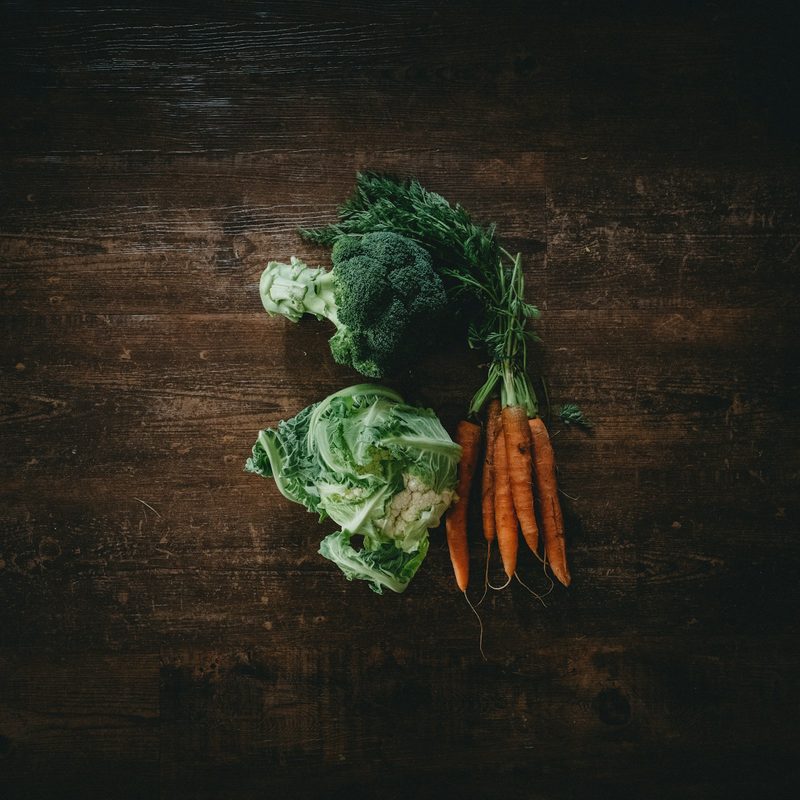
- Whole foods cover almost everyone: potatoes, beans, lentils, leafy greens, yoghurt, fish, nuts, and fruit are all electrolyte-rich.
What electrolytes actually do
Your body runs on tiny electrical signals. A nerve fires, a muscle contracts, and your heart keeps its beat because charged minerals shuttle across cell membranes in a managed rhythm. Those charged minerals are electrolytes. When their levels and balance are right, everything hums along without you noticing. When they drift far off, you feel it as fatigue, muscle twitches, cramping, or in serious cases a disturbed heartbeat.
Sodium, potassium, and magnesium are the three worth understanding first. Sodium and potassium work as a pair, sitting on opposite sides of the cell wall and trading places to create the electrical charge that nerves and muscles use. Magnesium is a quieter helper that keeps hundreds of enzyme reactions running, including the ones that let muscles relax after they contract. Calcium and chloride matter too, but the average person almost never needs to think about them separately.
For most people, electrolyte trouble is not about a magic drink. It is about eating enough real food across the day. The supplements are a tool for specific situations, not a daily requirement.
Sodium: not the villain, not a free pass
Sodium gets treated as poison, but you cannot live without it. It holds fluid in the right places, supports blood pressure, and is central to nerve signalling. The problem is not that sodium is bad, it is that most people already eat a lot of it, mostly from processed and restaurant food rather than the salt shaker at home.
The World Health Organization recommends adults keep sodium below 2,000 milligrams a day, which is about 5 grams of salt, roughly a level teaspoon. Most populations eat well above that. So for the average person the sensible move is not to add electrolyte powders on top, it is to notice where the sodium is already coming from.
The exception is heavy sweating. If you train hard for over an hour, especially in heat, you lose real sodium in sweat and replacing some of it helps you rehydrate and hold onto fluid. This is the one setting where a salted drink genuinely earns its place, which we come back to below.
If you have high blood pressure, heart failure, or kidney disease, sodium is not a casual topic. Follow the specific advice from your doctor rather than general fitness rules, because your safe range may be lower than the population target.
Potassium: the one most people miss
If sodium is the electrolyte people overdo, potassium is the one they underdo. It is sodium's partner, and a diet with plenty of potassium and less sodium is linked to healthier blood pressure. The WHO target for adults is at least 3,510 milligrams of potassium a day, and most people who eat few vegetables and little fruit fall short of it.
The good news is that potassium is abundant in ordinary plant foods, so closing the gap is mostly about eating more of what you already know is good for you. A baked potato with the skin, a bowl of beans, a banana, or a serving of leafy greens each move you meaningfully toward the target.
| Food | Typical portion | Potassium (approx) |
|---|---|---|
| Baked potato with skin | 1 medium | about 900 mg |
| White beans, cooked | 1 cup | about 1,000 mg |
| Lentils, cooked | 1 cup | about 700 mg |
| Banana | 1 medium | about 420 mg |
| Spinach, cooked | 1 cup | about 840 mg |
| Yoghurt, plain | 1 cup | about 380 mg |
Do not chase potassium with supplements on your own. High-dose potassium pills can be dangerous, especially if you have kidney problems or take certain blood pressure medicines. Get potassium from food, and leave supplements to a doctor's direction.
Magnesium: quiet but essential
Magnesium is involved in hundreds of reactions in the body, from turning food into energy to letting muscles relax after they fire. It is also one of the minerals people commonly run a little low on, partly because refined foods lose much of the magnesium that whole foods carry.
The recommended daily amount for adults is around 400 to 420 milligrams for men and 310 to 320 milligrams for women. You can hit that with food if you eat a reasonable amount of beans, nuts, seeds, whole grains, and leafy greens. Cramps and poor sleep are sometimes blamed on low magnesium, and while a genuine deficiency can cause problems, a supplement is not a guaranteed fix for either if your levels are already fine.
If you do want to try a supplement, a modest dose of a well-absorbed form is reasonable, and it is genuinely useful for some people who cannot reach the target through food. But treat it as a top-up to a decent diet, not a replacement for one. Very large doses mostly give you an upset stomach, not extra benefit.
Do you need a sports drink or a supplement?
Here is the honest answer for most readers, most of the time: no. If you eat a varied diet and drink to your thirst, you are getting your electrolytes. The powders and tabs are built for a narrower job, and they do that job well when it applies.
The clearest case is prolonged, sweaty exercise. When you sweat heavily for more than an hour, especially in the heat, you lose fluid and sodium fast, and replacing both helps you keep going and rehydrate properly afterwards. Sports nutrition guidance suggests including sodium at roughly 0.5 to 0.7 grams per litre of fluid during exercise longer than an hour, which is exactly what a decent electrolyte drink provides. Outside that context, the case gets much weaker.
- Everyday hydration. Water plus normal meals covers it. You do not need an electrolyte sachet to sit at a desk or do a 40-minute gym session.
- Long or hot sessions. Over about an hour of hard sweating, an electrolyte drink with sodium helps you retain fluid and keep performing. This is the powders' real home.
- After illness with fluid loss. Vomiting or diarrhoea can drop electrolytes quickly. Oral rehydration solutions are designed for this and are worth having in the cupboard.
- A specific low reading. If a blood test or your doctor flags a genuine shortfall, a targeted supplement makes sense under guidance, not as a guess.
How to get all three from food
The reassuring part is that a plate built around whole foods hits all three electrolytes without any planning. Plant foods do a lot of the heavy lifting here, which means a plant-based or vegetarian eater is often in a stronger position for potassium and magnesium than someone living on refined convenience food.
| Electrolyte | Easy food sources | Notes |
|---|---|---|
| Sodium | Bread, cheese, olives, a pinch of table salt | Most people already get enough, so this is rarely the gap |
| Potassium | Potatoes, beans, lentils, leafy greens, bananas, yoghurt | The one most worth increasing for most diets |
| Magnesium | Nuts, seeds, whole grains, beans, dark leafy greens, dark chocolate | Refined foods lose it, whole foods keep it |
A simple day might be porridge with nuts and a banana, a bean and grain bowl with greens at lunch, and a dinner with potatoes and a protein source. That quietly delivers strong potassium and magnesium, a sensible amount of sodium, and no need for a single sachet. Anchor your meals around vegetables, beans or lentils, whole grains, and fruit, and the electrolyte question mostly answers itself. Save the drinks for the days you actually earn them with a long, hot, sweaty effort.
Eat vegetables, beans, whole grains, and fruit most days. Salt your food to taste rather than fearing it. Reach for an electrolyte drink only around long or hot sweaty sessions, and leave potassium and high-dose magnesium supplements to a doctor's advice.
Questions people ask
Do I really need electrolyte drinks every day?
Will electrolytes stop my muscle cramps?
Is salt actually bad for me?
Should I take a magnesium supplement for sleep?
References
- World Health Organization. WHO issues new guidance on dietary salt and potassium. 2013. who.int/news/item/31-01-2013-who-issues-new-guidance-on-dietary-salt-and-potassium
- NIH Office of Dietary Supplements. Magnesium: Fact Sheet for Health Professionals. 2022. ods.od.nih.gov/factsheets/Magnesium-HealthProfessional
- Sawka MN, et al. Medicine and Science in Sports and Exercise. American College of Sports Medicine Position Stand: Exercise and Fluid Replacement. 2007. doi.org/10.1249/mss.0b013e31802ca597
Last reviewed 18 July 2026. We check health-condition articles against current guidelines and update the date above when we do.