Why a monthly day trip out of London survives when a weekly commitment does not, how to plan one for a group without losing your mind, and how to pick a destination.
Weekly commitments are the best thing for making friends and the worst thing for keeping a group of busy adults together. Everybody agrees to a weekly plan in January and by March three of the six have quietly stopped coming. A monthly day out has the opposite problem and it is a much better one: it is too infrequent to build a friendship from scratch, and unusually good at keeping an existing group alive.
01Why monthly works
It is rare enough to be protected. People move a weekly walk without much thought. They do not move the one Saturday a month that has been in the diary for three weeks.
It survives the seasons. A monthly plan can absorb a cancelled month or a bad winter without the whole thing dying, because there is always a next one already named.
The day is long. Eight hours with the same people, including two hours on trains, produces conversations that six pub evenings do not. Time is the raw material of friendship and a day trip delivers a lot of it in one go.
The train is the good part. Nobody has anywhere to be, phones matter less, and the way out and the way back are where most of the actual talking happens.
02Picking somewhere
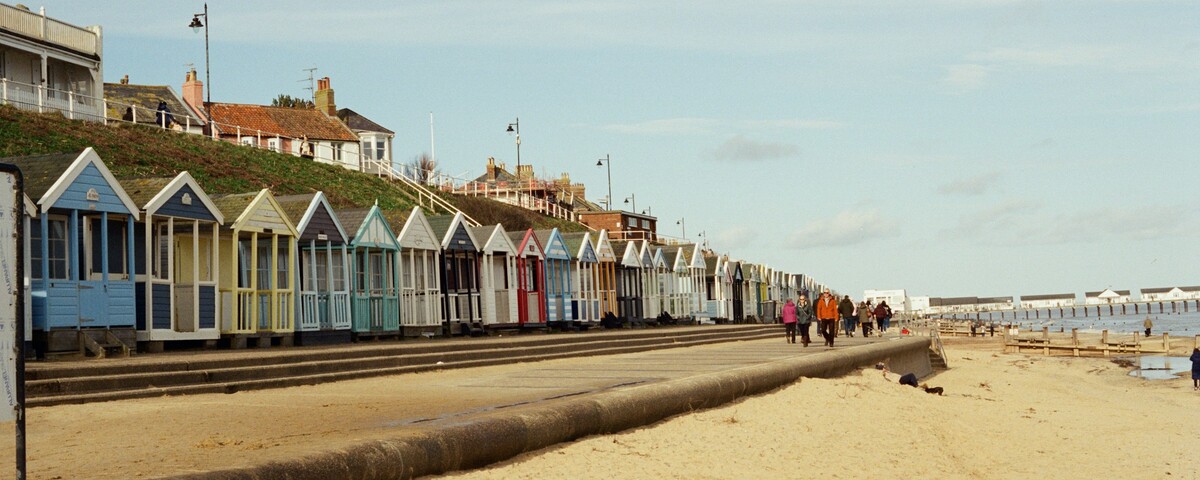
The constraint that matters is the journey, not the destination. About an hour each way from a London terminus is the sweet spot, and ninety minutes is the outer limit before the day starts feeling like travelling rather than being somewhere. Within that hour you can reach the coast, chalk hills and long marked footpaths, small cities with a cathedral and a river, big houses with gardens, and a good number of market towns.
Some practical rules:
Judge it on the return journey. Everyone is fresh at nine in the morning and nobody is at six in the evening. If getting home involves a change and a wait, the memory of the day will be the wait.
One anchor, not an itinerary. A walk between two stations, a stretch of coast, one house and its gardens. Groups of adults cannot execute a five stop plan and should not try.
Check the last train before you leave, not after lunch. Weekend engineering works are the single most common way a good day ends badly, and they are published in advance.
Off peak fares and railcards. Travelling after the morning peak is substantially cheaper, and a railcard takes a third off for most people who qualify, which changes what is affordable monthly.
Have a wet weather version. Somewhere with an indoor half means you never have to cancel, and cancelling once is how a monthly habit dies.
03Planning one for a group
The organising is where these fall apart, and the fix is unpopular but reliable: one person decides and everyone else opts in.
Do not put three destinations to a vote. Do not open a thread about dates. Pick the date, pick the place, pick the train, and post one message with the meeting point, the departure time and roughly when you will be back. People can come or not come. A group of eight will never converge on a date by discussion, and the discussion itself is what exhausts everybody.
Beyond that, a few things that keep the day pleasant:
Everyone buys their own ticket. No treasurer, no chasing, no awkwardness on the platform.
Name a specific meeting spot. Not the station, which is enormous. Under the departure board, or by a named entrance, fifteen minutes before the train.
Announce the departure, not a headcount. The train goes when it goes. Waiting for the last person is how you lose the first hour and the good will.
Say when it ends. A stated return train lets people with children or evening plans say yes at all.
Book the same weekend each month. First Saturday, second Sunday, whatever. A rule people can plan around beats a fresh negotiation every time.
04If you do not have a group yet
Do not start with the day trip. Start with something weekly and local, a walk or a club or a class, and let a day out be the thing you propose after a couple of months, once there are four people who recognise each other. Proposing a full Saturday to people you have met once asks a lot. Proposing it to people you walk with every week asks almost nothing, and it is usually the trip that turns a group of familiar faces into actual friends.
Related Questions
Why does a monthly day trip work better than a weekly meet up?
Because it is rare enough that people protect the date. Weekly plans get moved casually and quietly collapse, while a monthly Saturday that has been in the diary for weeks tends to survive. A full day also produces far more shared time than several short evenings.
How far should a day trip from London be?
About an hour each way by train, with ninety minutes as the outer limit. Judge it on the return journey rather than the outward one, because everyone is fresh in the morning and nobody is at six in the evening. A change and a long wait will define the whole day.
How do I organise a day trip for a group of friends?
One person picks the date, the destination and the train, then posts the meeting point, departure time and rough return. Do not put it to a vote. Everyone buys their own ticket, name a specific spot rather than the station, and leave on the stated train rather than waiting for stragglers.
What is a good first day trip for a new group?
One anchor, not an itinerary: a walk between two stations, a stretch of coast, or one house and its gardens. Have an indoor option in case of rain, since cancelling once is the usual way a monthly habit dies before it starts.
 KF.Social