KF.Social
 KF.Social Editorial
The usual advice is to plan your meals first, write down every recipe, then shop for the exact ingredients each one needs. It sounds tidy. In practice it produces a bloated shopping list, a fridge full of single-use ingredients (half a bunch of dill, most of a jar of tahini), and a bin that fills up faster than your stomach. The grocery-first approach turns this around. You decide what to buy first, keeping the list short and versatile, then you build the week's meals from what is actually in the trolley. Fewer decisions, less waste, and a plan that bends around a busy week instead of dictating it.
The short version
- Recipe-first planning creates long, single-use shopping lists and a fridge of half-used ingredients that end up in the bin.
- Grocery-first flips the order: buy a short list of versatile staples, then assemble meals from what you have.
- Anchor the list around a few protein sources, a starch or two, and a mix of fresh and frozen vegetables, most of which combine into many meals.
- People who plan meals ahead tend to eat a more varied, higher-quality diet and carry less excess weight.
- Frozen and tinned staples are the secret weapon: they cut waste to near zero and rescue the day your fresh plans fall apart.
Why recipe-first shopping backfires
Recipe-first planning feels responsible. You choose seven dinners, list every ingredient, and shop. The hidden cost shows up later. Each recipe wants a specific herb, a specific sauce, a specific cut, and few of them overlap. You end up buying a lot of ingredients that each appear in exactly one meal. Miss cooking that meal, which happens most weeks, and those ingredients rot.
There is a second problem. A rigid recipe list assumes the week goes to plan. When Wednesday's dinner never happens because you got home late, its ingredients have nowhere else to go. The whole system is brittle. Grocery-first is built on the opposite bet: buy things that can become many meals, so no single change wastes anything.
Every single-use ingredient is a small bet that you will cook exactly that meal, on exactly that day. Miss it and the ingredient is wasted money and wasted food. Grocery-first simply stops taking those bets.
Build a versatile staples list
The heart of the method is a short list of foods that recombine into many meals. You are not buying a menu. You are stocking a kitchen. A good staples list covers a few categories, and most items in it should be able to appear in three or more different meals.
| Category | Buy a few of | Why it earns its place |
|---|---|---|
| Protein | Eggs, chicken thighs, tinned fish, tofu, tempeh, beans, lentils | Each works across breakfast, lunch, and dinner |
| Starch | Rice, potatoes, oats, wholemeal wraps or pasta | Cheap, filling, keeps for weeks |
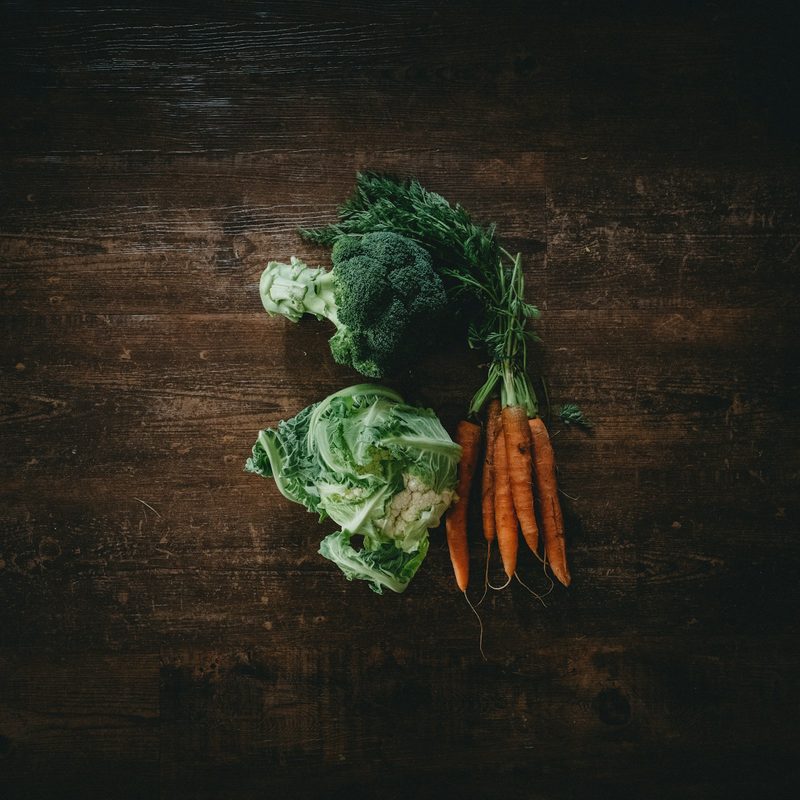
| Vegetables (fresh) | Onions, carrots, whatever leafy greens look good | The base of most savoury meals |
| Vegetables (frozen) | Peas, spinach, mixed veg, broccoli | Zero waste, always ready, rescues bad days |
| Flavour | Garlic, stock, soy sauce, a couple of spice blends | Turns the same staples into different meals |
| Dairy or alternatives | Greek yoghurt, milk or soy milk, hard cheese | Protein, snacks, and quick breakfasts |
Notice how few items this is, and how much they overlap. Eggs go in breakfast, a fried-rice dinner, or a lunch salad. Tinned chickpeas become a curry, a salad topping, or roasted snacks. Frozen vegetables deserve special mention: they are picked and frozen at their peak, keep for months, and mean you always have a vegetable on hand even when the fresh ones have wilted. Plant proteins pull equal weight here, a cup of cooked lentils carries about 18 g of protein and 150 g of tempeh about 29 g, so a bean or tofu base is a full meal, not a side.
Before an item goes on the list, ask: can I picture this in at least three different meals? If yes, it earns its spot. If it only fits one recipe, either skip it or make sure that meal is one you will definitely cook.
Turn the trolley into a week of meals
Once the staples are home, meal planning becomes a game of assembly rather than a shopping mission. Most balanced meals follow the same simple shape, and your staples slot straight into it.
- Pick a protein. Start every meal with one clearly protein-rich food from your list: eggs, chicken, tinned fish, tofu, tempeh, or beans. This anchors the plate and your daily protein.
- Add a starch. Rice, potatoes, oats, or wraps. This is the filling, cheap base that makes the meal a meal.
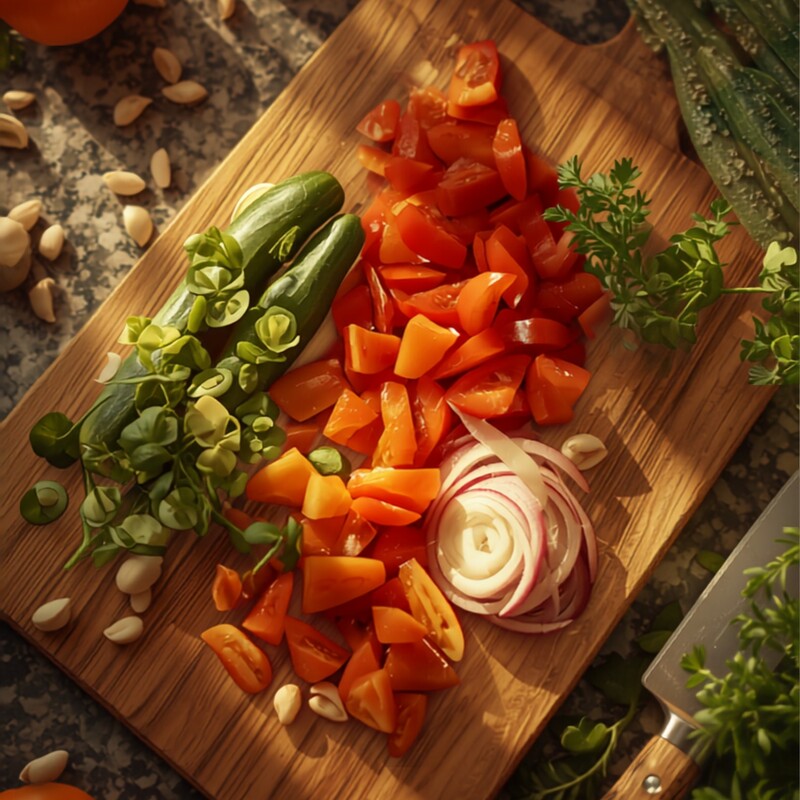
- Add a vegetable or two. Fresh if it is still good, frozen if not. Aim for a vegetable at most meals without overthinking which one.
- Season it into a cuisine. The same chicken, rice, and veg becomes a stir-fry with soy and garlic, a curry with a spice blend, or a tray bake with stock and herbs. Flavour is what stops repetition feeling like repetition.
Run that shape a few times and you have a week of dinners from a dozen ingredients, with lunches falling out of the leftovers. Because everything on the list is versatile, you decide the exact meal on the day, based on what needs using up and how much time you have. The plan bends to the week instead of the week bending to the plan.
Less waste, lower bill
Grocery-first is quietly a budget method. A short list of versatile staples costs less than a long list of single-use ingredients, and because almost everything gets eaten, you throw away far less. The frozen and tinned parts of the list barely spoil at all, so the food you buy is food you actually consume.
It also makes storage simpler. Cool any cooked leftovers and get them in the fridge within 2 hours, keep the fridge at or below 5 degrees Celsius, and eat them within a couple of days or freeze them. Frozen portions are the safety net for the meal you planned but never cooked, so nothing is lost. That freezer buffer is what makes the whole flexible approach hold together across a messy week.
Keep your staples list to one page and reuse it. Most weeks you just tick what has run low. Planning shrinks from an hour of recipe-hunting to a five-minute scan of what needs restocking, and the evidence says planners eat better and stay leaner anyway.
Questions people ask
Won't eating the same staples get boring?
How is this different from normal meal planning?
Do I still need to plan specific meals at all?
What are the best staples to start with?
References
- Ducrot P, et al. International Journal of Behavioral Nutrition and Physical Activity. Meal planning is associated with food variety, diet quality and body weight status in a large sample of French adults. 2017. doi.org/10.1186/s12966-017-0461-7
- Food Standards Agency. How to chill, freeze and defrost food safely. 2023. food.gov.uk/safety-hygiene/how-to-chill-freeze-and-defrost-food-safely
- USDA Food Safety and Inspection Service. Leftovers and Food Safety. 2023. fsis.usda.gov/food-safety/safe-food-handling-and-preparation/food-safety-basics/leftovers-and-food-safety
Last reviewed 18 July 2026. We check health-condition articles against current guidelines and update the date above when we do.