KF.Social
 KF.Social Editorial
Most beginner meal prep fails for the same reason: people start too big. They cook eight different dishes on a Sunday, fill the fridge, and are so sick of it by Wednesday that the whole idea gets abandoned. The fix is to start small and forgiving. Three recipes, one each for breakfast, lunch, and dinner, that are hard to get wrong, reheat without turning sad, and hit a solid protein target. Master these and you have covered most of your week with a handful of hours and almost no decisions. You can add variety later. First, prove to yourself that prep works.
The short version
- Start with three recipes, not twenty. One breakfast, one lunch, one dinner, all forgiving and batch-friendly.
- Overnight oats, a grain-and-protein bowl, and a big tray bake cover the whole day and reheat without going rubbery.
- Each recipe is built around a clear protein anchor, with an honest plant swap so it works for everyone.
- Cool cooked food and refrigerate it within 2 hours, keep it at or below 5 degrees Celsius, and eat it within a couple of days or freeze it.
- The goal of week one is not variety. It is proving to yourself that prep is easy and repeatable.
Why three recipes, not twenty
The instinct when you start meal prepping is to go all in: many dishes, maximum variety, a fridge that looks like a magazine shoot. It almost always backfires. Cooking that much at once is exhausting, buys ingredients you will not finish, and leaves you bored of the food before the week is out. Boredom and burnout are what kill meal prep, not a lack of ambition.
Three recipes solves both. It is a small enough job to finish in a couple of hours, it uses a short shopping list, and covering breakfast, lunch, and dinner means you have removed the daily what-do-I-eat decision from most of your week. Variety can come later, once the habit is real. For now, the win is having good food ready with almost no thinking.
The three recipes below were chosen because they reheat without going rubbery or soggy. Grains, eggs cooked into a bake, roasted veg, and saucy proteins survive the fridge well. Delicate salads and crispy things do not, so save those for fresh days.
Recipe 1: overnight oats (no cooking)
The easiest possible start, because there is no cooking at all. In a jar or tub, combine 50 g of rolled oats, a scoop of protein powder or a big spoon of Greek yoghurt, milk or soy milk to cover, and a handful of fruit. Stir, lid on, fridge overnight. Make four or five at once and breakfast is sorted for the week.
| Add | Amount | Roughly gives |
|---|---|---|
| Rolled oats | 50 g | About 6 g protein, slow carbs |
| Greek yoghurt or protein powder | 150 g or 1 scoop | About 15 to 25 g protein |
| Milk or soy milk | Enough to cover | A few grams protein, the base |
| Fruit (berries, banana) | A handful | Sweetness, fibre, no sugar needed |
Use soy milk and soy yoghurt or a plant protein powder instead of dairy. Soy is a complete protein, so this hits the same 20 to 30 g breakfast target with no downgrade. Add chia or a spoon of peanut butter for extra staying power.
Recipe 2: the grain and protein bowl
The most flexible lunch you can batch. Cook a big pot of a grain (rice, quinoa, or couscous), roast a tray of vegetables, and prepare a protein. Portion them into containers and you have four or five lunches that reheat cleanly. The exact combination does not matter, the shape does: grain, plus protein, plus veg, plus a sauce to stop it being dry.
- Cook the grain in bulk. One large pot of rice or quinoa splits into every lunch. This is the cheap, filling base.
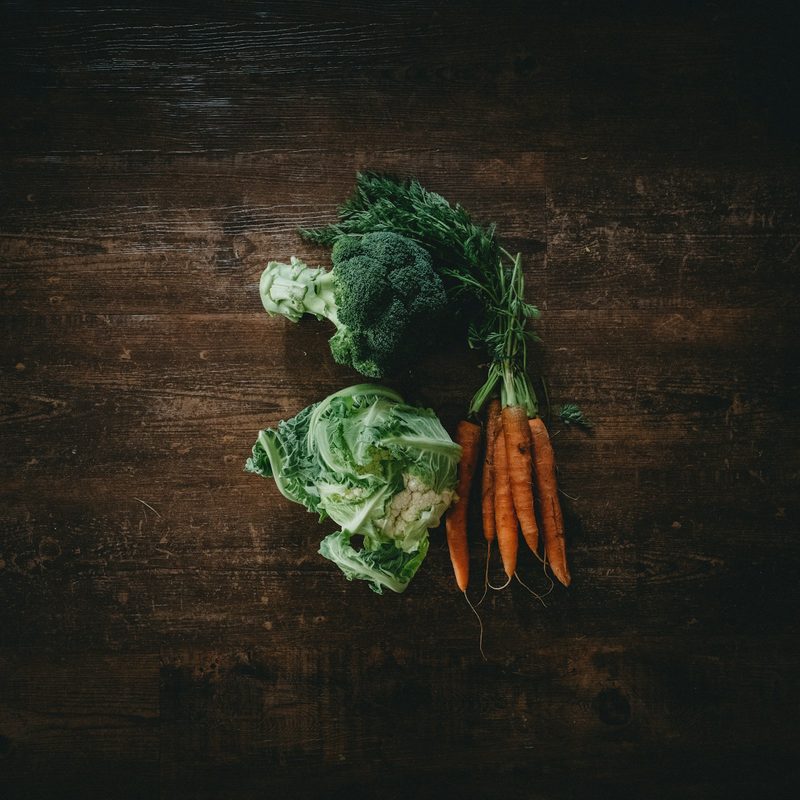
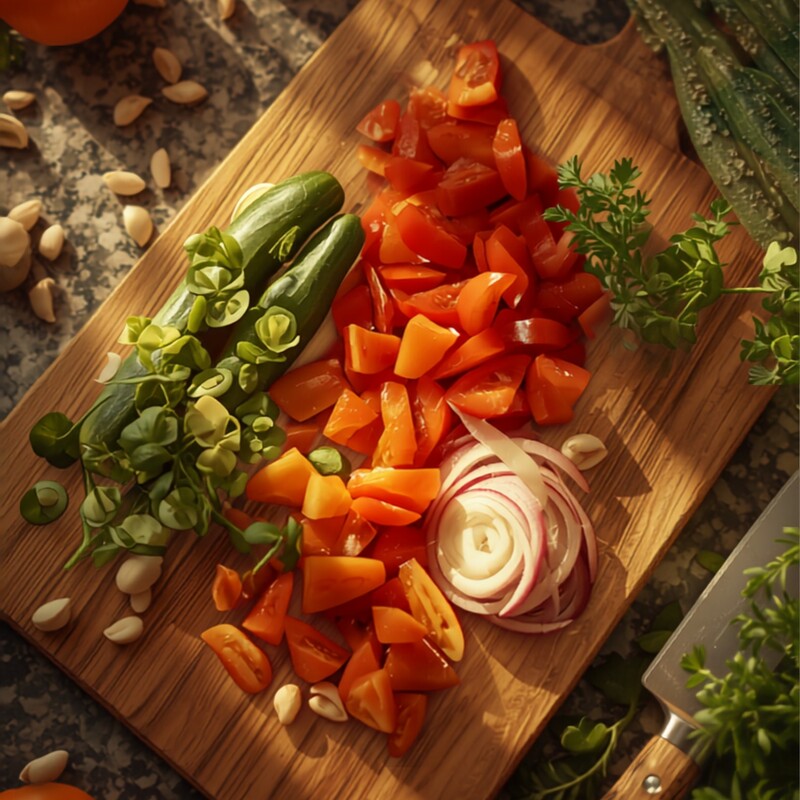
- Roast a tray of vegetables. Chop whatever you have, toss in oil, roast at high heat until browned. Peppers, onions, courgette, and broccoli all work.
- Add a protein anchor. Roast chicken thighs alongside the veg, or use tinned chickpeas, baked tofu, or tempeh. Aim for a palm-sized portion per bowl.
- Keep a sauce separate. A yoghurt dressing, tahini, or a splash of soy and sesame. Add it when you eat, not before, so nothing goes soggy in the fridge.
For a plant version, 200 g of chickpeas roasted with the veg carries about 15 g of protein, and 150 g of baked tofu about 17 to 24 g. Add a soy-based sauce and the bowl is a complete, protein-solid lunch, not a sad side salad. Because the grain and veg are neutral, you can change the sauce day to day and the same batch feels different.
Recipe 3: the one-tray bake
Dinner with almost no washing up. Everything goes on one tray, into the oven, out in one go. Load a large tray with a protein, chopped potatoes or another root veg, and a couple of vegetables. Season, roast, and split into portions. It reheats beautifully because roasted food is meant to be robust.
A classic version is chicken thighs, potato chunks, and mixed veg, seasoned with garlic, paprika, and a little oil, roasted until the chicken is done and the edges crisp. For a plant version, swap in 150 g of tempeh per portion (about 29 g of protein) or a tin of drained, seasoned chickpeas, and add a squeeze of lemon and herbs at the end. One tray, four dinners, one thing to wash.
Do not leave the tray out to cool for hours. Portion it, let it cool quickly, and get it in the fridge within 2 hours of cooking. Keep the fridge at or below 5 degrees Celsius, eat within a couple of days, and freeze any portions you will not reach in time.
Your first prep session, step by step
Here is how the three fit into one short session. Done in the right order, the oven and hob do most of the work while you handle the quick jobs, and the whole thing wraps up in about ninety minutes.
- Oven on, tray bake in first. Get the dinner tray roasting straight away. It needs the longest and needs no attention while it cooks.
- Grain on the hob. Start your rice or quinoa for the lunch bowls while the oven works.
- Roast the bowl veg. Slide a second tray of lunch vegetables into the oven alongside or after the dinner tray.
- Assemble the oats cold. While things cook, spend five minutes building four or five overnight oats. No heat needed.
- Cool, portion, store. Portion everything into containers, cool quickly, and refrigerate within 2 hours. Label anything headed for the freezer.
Do not judge week one on variety. Judge it on whether you finished the session and ate the food. If you did, prep works for you. Next week you swap one recipe for a new one, and variety builds itself over a month without ever feeling like a chore.
Questions people ask
How long will these meals keep in the fridge?
Do I need special containers to start?
I'm plant-based. Do these recipes still work?
Won't eating the same three meals get boring by Wednesday?
References
- USDA Food Safety and Inspection Service. Leftovers and Food Safety. 2023. fsis.usda.gov/food-safety/safe-food-handling-and-preparation/food-safety-basics/leftovers-and-food-safety
- Food Standards Agency. How to chill, freeze and defrost food safely. 2023. food.gov.uk/safety-hygiene/how-to-chill-freeze-and-defrost-food-safely
- Ducrot P, et al. International Journal of Behavioral Nutrition and Physical Activity. Meal planning is associated with food variety, diet quality and body weight status in a large sample of French adults. 2017. doi.org/10.1186/s12966-017-0461-7
Last reviewed 18 July 2026. We check health-condition articles against current guidelines and update the date above when we do.