KF.Social
 KF.Social Editorial
The reason most people quit meal prep is time. The image in their head is a five-hour Sunday marathon with every pot in the house dirty, and understandably they never start. But long prep sessions are almost always a symptom of bad sequencing, not of cooking too much food. When you let the oven, the hob, and your hands all work at once, and you prep components instead of finished meals, the same amount of food takes a fraction of the time. Ninety minutes, done properly, covers most of a week. This is the system: what to do, in what order, so nothing sits idle, including you.
The short version
- Long prep sessions are usually a sequencing problem, not a cooking-too-much problem.
- Start the longest-cooking item first, then layer faster jobs on top so the oven, hob, and your hands all work at once.
- Prep components, not finished meals: a batch of grain, a batch of protein, a tray of veg, then mix into different meals all week.
- A repeatable order of operations turns prep from an all-day chore into a 90-minute routine you can do on autopilot.
- Cool and refrigerate everything within 2 hours, keep the fridge at or below 5 degrees Celsius, and freeze what you won't eat in a couple of days.
Why prep usually takes so long
Watch someone prep slowly and you will see the same pattern. They cook one thing, finish it, clean up, then start the next thing. Everything happens in sequence, so the total time is the sum of every task. Meanwhile the oven sits empty while they chop, and the hob sits cold while the oven works. The kitchen is mostly idle and so is the cook.
The second time-sink is cooking finished meals: assembling seven complete, different dishes, each with its own ingredients and steps. That multiplies the work. The fast approach flips both habits. You run tasks in parallel, and you prep interchangeable components rather than finished plates. Do that and ninety minutes is plenty.
Speed does not come from cooking less food. It comes from never letting the oven, the hob, or your hands sit idle, and from prepping components you can mix into many meals instead of building each meal from scratch.
Prep components, not finished meals
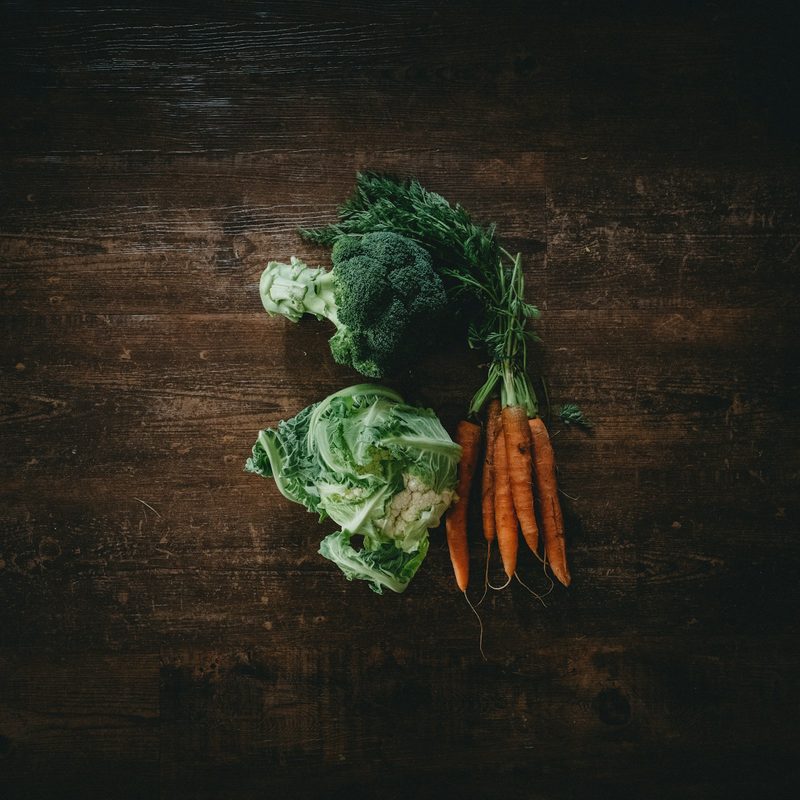
Instead of making seven dishes, make a small set of building blocks in bulk and combine them differently through the week. A batch of grain, a batch or two of protein, and a couple of trays of vegetables recombine into more meals than you could be bothered to cook individually.
| Component | Batch once | Becomes |
|---|---|---|
| Grain | Big pot of rice or quinoa | Bowls, stir-fries, side of any dinner |
| Protein | Roast chicken, baked tofu, or a pot of beans | Bowls, wraps, salads, quick dinners |
| Roasted veg | One or two full trays | Any bowl, any plate, any wrap |
| Sauce | One jar of dressing or a spice mix | Turns the same components into different meals |
The magic is in the recombination. Grain plus chicken plus veg plus a soy-sesame sauce is a bowl on Monday. The same three plus a yoghurt dressing in a wrap is lunch on Tuesday. Plant components pull equal weight: a pot of beans (about 15 g of protein a cup) or 150 g of baked tofu (about 17 to 24 g) anchors just as many meals as the chicken. Because the parts are neutral, changing the sauce changes the meal, so you never actually eat the same thing twice despite cooking only a handful of things.
The 90-minute order of operations
Here is the sequence that keeps everything running at once. The principle is simple: start whatever takes longest and needs the least attention, then fill the waiting time with quicker, hands-on jobs.
- Minute 0: oven on, protein and veg in. Get roasting chicken, tofu, or tempeh and your trays of vegetables into the oven first. This is the longest job and it needs no watching.
- Minute 5: grain on the hob. Start a big pot of rice or quinoa. Now the oven and hob are both working while you have done almost nothing.
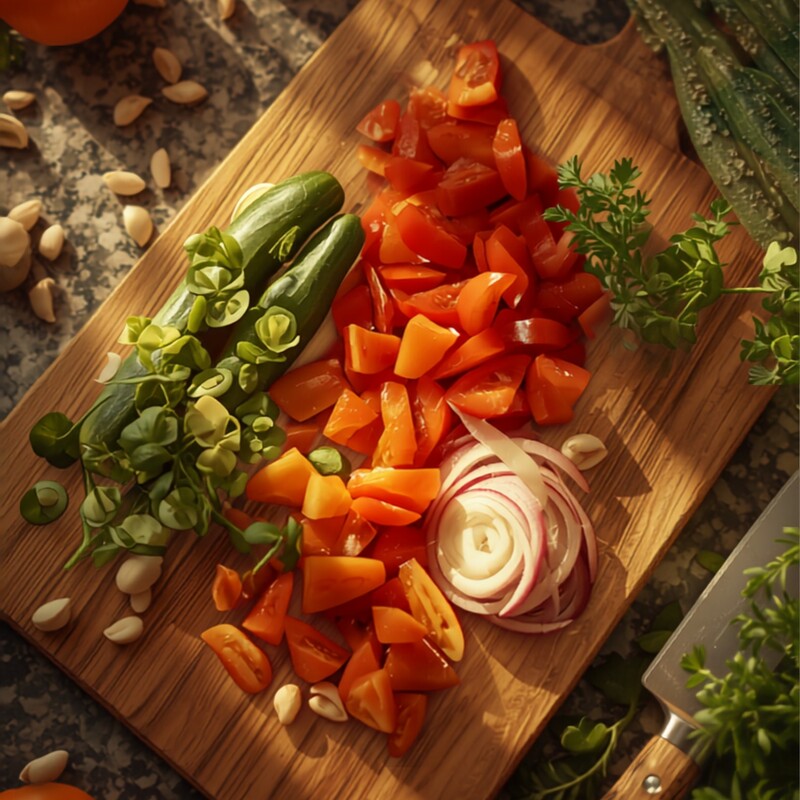
- Minute 10: chop and mix. While things cook, chop anything raw for the week, whisk a sauce or two, and build any no-cook items like overnight oats.
- Minute 40: everything comes together. Grain done, trays out. You now have all your components ready at roughly the same time.
- Minute 55: portion and cool. Split components into containers, mixing into meals or keeping separate. Let them cool quickly rather than sealing them steaming hot.
- Minute 75: store and clean. Refrigerate within 2 hours, freeze the portions you will not reach in time, and wash the few pans you used. Done.
Do not save all the cleaning for the end. Wash pans in the pockets of waiting time while the oven and hob work. By the time the food is portioned, most of the mess is already gone, which is half of why prep feels long.
Store it so it lasts the week
Fast prep is wasted if the food is unsafe or unappetising by Wednesday. The rules are simple and worth following exactly. Cool cooked food quickly and get it into the fridge within 2 hours, keep the fridge at or below 5 degrees Celsius, and eat chilled meals within a couple of days. Anything you will not reach in time goes in the freezer, where it keeps for months and becomes your backup for a chaotic day.
Keeping components separate rather than pre-mixed also helps them last and reheat better. Sauces added on the day keep grains from going soggy, and roasted veg holds up far better than delicate salad. This is the quiet advantage of the component method: it is not only faster to make, it stores and reheats better than fully assembled meals.
Lidding food while it is still steaming traps heat and slows cooling, which keeps it in the range where bacteria grow. Let it cool first, then seal and chill, all within that 2-hour window. Shallow containers cool faster than deep ones.
Make the 90 minutes a routine
The point of a fixed order of operations is that it becomes automatic. Once you have run it two or three times, you stop deciding what to do next and just move through the sequence, which is what collapses the time. Pick a regular slot, keep a short staple list so shopping is quick, and run the same rhythm each week with different components.
It is worth the effort beyond just saving time. People who plan and prep their meals ahead tend to eat a more varied, higher-quality diet and are less likely to carry excess weight. Ninety focused minutes buys you a week of good food, fewer daily decisions, and a diet that quietly runs itself. That is a strong return on an hour and a half.
Questions people ask
Can I really prep a full week in 90 minutes?
What should I cook first to save the most time?
How long does prepped food stay good?
Isn't component prep more boring than full meals?
References
- USDA Food Safety and Inspection Service. Leftovers and Food Safety. 2023. fsis.usda.gov/food-safety/safe-food-handling-and-preparation/food-safety-basics/leftovers-and-food-safety
- Food Standards Agency. How to chill, freeze and defrost food safely. 2023. food.gov.uk/safety-hygiene/how-to-chill-freeze-and-defrost-food-safely
- Ducrot P, et al. International Journal of Behavioral Nutrition and Physical Activity. Meal planning is associated with food variety, diet quality and body weight status in a large sample of French adults. 2017. doi.org/10.1186/s12966-017-0461-7
Last reviewed 18 July 2026. We check health-condition articles against current guidelines and update the date above when we do.