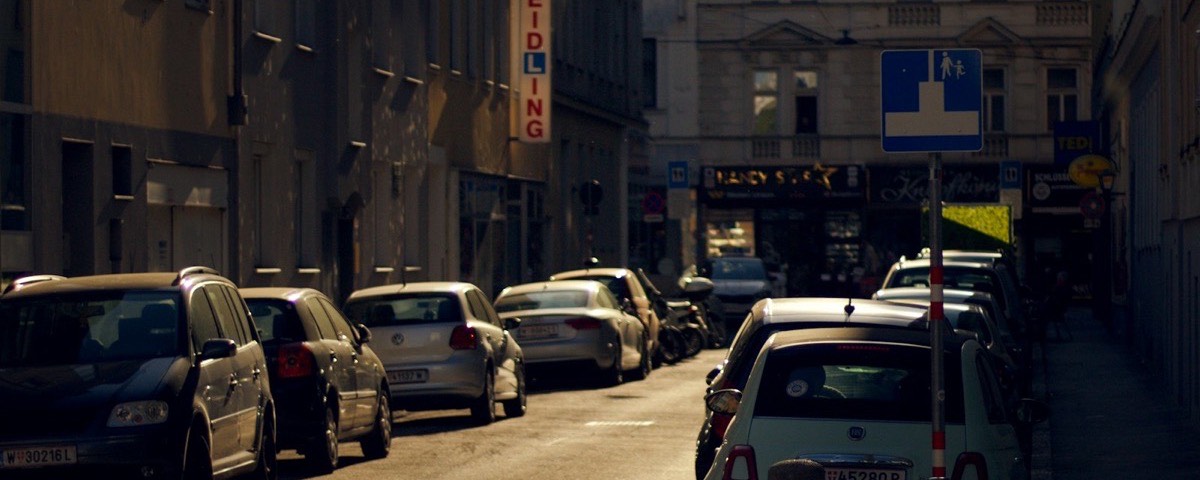
You are flying in for a stretch between November and February: a rotation through the London office from the Gulf or Singapore, a run of customer meetings, a project leg that happens to land in the darkest part of the year. If you are used to a sunset that barely moves through the year, the first thing London in winter will do is take the light away earlier than feels possible. In mid December the sun sets just before four in the afternoon and rises at about eight in the morning. You will arrive at work in the half light and leave in the dark, every day, and that shapes the evenings far more than the cold does.
01The numbers, before you pack
The UK moves its clocks back to GMT on the last Sunday in October, and the afternoon light drops by an hour overnight. Approximate times for central London:
- Early November: sunrise about 06:50, sunset about 16:35.
- Mid November: sunrise about 07:15, sunset about 16:15.
- December, around the shortest day: sunrise a little after 08:00, sunset just before 16:00. Under eight hours of daylight.
- Mid January: sunset back to about 16:20.
- Mid February: sunset after 17:00 again, and the evenings start to feel like evenings.
For comparison, Singapore and Dubai see the sun set somewhere between about half five and a quarter past seven all year round. The change is not gradual for you. It happens the day you land.
02What the weather is actually like
London winters are rarely dramatic. Snow that settles is unusual. What you get instead is cold that sits a few degrees above freezing, frequent light rain, wind between the tall buildings, and long stretches of low grey sky. It is the combination of damp and dark, not the temperature, that makes people stay in.
Pack for it properly, because it changes what you will do in the evening:
- A warm waterproof coat with a hood. An umbrella is not much use in a London wind, and a coat you trust is the difference between walking to dinner and ordering it to the room.
- Shoes that keep water out. Pavements are wet for days at a time.
- Layers, not one heavy jumper. Offices, trains and restaurants are heated, often warmly.
03The real problem is the walk back to the hotel
This is the part nobody puts in a packing list. When you leave the office at half five and it has been dark for over an hour, the evening already feels like night. The walk to the hotel is cold and wet, the room is warm, and once you are in it with your shoes off you are not going back out. Do that four nights a week for a month and a winter posting becomes a month in a hotel room.
The fix is simple and it works: go out straight from work, before you go back. Dinner at seven from the office is easy. Dinner at seven after an hour on the bed is not going to happen. If you want to change first, change in the morning: take what you need for the evening with you.
04Get the daylight where it is
You will not see much daylight on a weekday, so take it where you can. A walk outside at lunchtime, even twenty minutes, is the only daylight many people get between Monday and Friday in December. Weekends are where the city is still bright: a morning walk along the river or through one of the big parks, back before the light goes at four.
Short dark days also leave a lot of people flat and tired, especially in the first weeks, and that is worth knowing rather than worrying about. Daylight, some movement and other people help. Staying in the room for the whole of the dark part of the day tends to make it worse, not better.
05What London does well in winter
The city is built for this season. Pubs and restaurants are warm, lit and busy on weeknights, and nobody expects you to be outdoors. The big national museums and galleries are free to enter, and several have a late opening one evening a week. From late November the city fills with seasonal lights and markets, and early December is one of the busiest stretches of the year for going out, which helps: the evenings feel lived in rather than empty.
One thing to plan for: restaurants book up with office parties through much of December, especially later in the week. If you want a particular table on a Thursday or Friday, book it rather than turning up.
06The evenings, concretely
The weeknight that works in winter is the one that is already decided before you leave the office. One fixed evening a week, booked in advance, is enough to stop the dark walk home from making the choice for you.
A booked dinner is one straightforward way to do it. KF.Social seats you at a table of six at a London restaurant on a set evening, sitting at 19:00, and the London page lists the dates on sale with the night and the area for each. The seat costs 15 pounds, which pays for the matching and not for the meal, and you pay the restaurant for your own food and drink.
The timings, because they matter when your week is not your own: booking closes six hours before, the restaurant lands about six hours before, and who you are sitting with about an hour before, when the group chat opens. Cancelling 72 hours or more ahead returns the 15 pounds to your card. If the table does not run, everyone is refunded in full. Booking gates on two things only: being 18 or over, and having paid. Everybody at the table booked and paid for their own seat exactly as you did.
See what is running in London.
A 19:00 sitting is a good fit for a winter week: straight from work, warm inside, and home at a reasonable hour.
07The short version
Expect sunset before five from November and before four in December, and sunrise close to eight. Pack a coat you trust and shoes that keep the wet out. Take daylight at lunchtime and at weekends. Most of all, do not go back to the hotel first: go out straight from work, and keep one fixed evening a week while you are in London for work.
 KF.Social