How to Host a Dinner Party (Even If You're Not a Great Cook)
Learn how to host a memorable dinner party even if cooking isn't your strength. Practical tips on planning, menus, ambiance, and making guests feel welcome.
Hosting a dinner party can feel intimidating, especially if you don't consider yourself a skilled cook. The good news is that the best dinner parties aren't really about the food at all - they're about bringing people together, creating a warm atmosphere, and making memories.
Whether you've never cooked for more than two people or you've burned toast more times than you'd like to admit, this guide will walk you through everything you need to host a dinner party that your friends will genuinely enjoy.
01Why You Should Host (Even If You're Nervous)
There's a strange cultural pressure that says you need to be a great cook before you can have people over for dinner. This is simply not true. Some of the most memorable evenings happen around simple meals served with genuine warmth. Hosting a dinner party is one of the most effective ways to deepen friendships, meet new people, and build the kind of community that many adults struggle to find.
Research consistently shows that shared meals strengthen social bonds. Eating together triggers the release of endorphins, and the act of preparing food for others is a deeply human gesture of care. You don't need a perfectly plated dish to achieve this - you just need to open your door and set the table.
If you've been wanting to expand your social circle or strengthen existing friendships, hosting a dinner party is one of the most accessible ways to do it. Platforms like KF.Social can help you connect with people who share your interests, making it easier to fill those seats at your table.
02Planning Your Guest List and Setting the Tone
Key idea
Cook within your ability and slightly below your ambition. A well-executed simple meal will always beat a poorly executed complicated one.
The first decision you'll make is who to invite, and this matters more than what you cook. A thoughtful guest list can make even a mediocre meal feel like a celebration.
How Many Guests to Invite
For your first dinner party, keep it small. Four to six guests is the sweet spot. This number is large enough to create energy and conversation, but small enough that you won't feel overwhelmed in the kitchen. It also means everyone can participate in a single conversation, which creates a sense of intimacy.
Mixing Friend Groups
One of the most rewarding aspects of hosting is introducing people who might not otherwise meet. Consider inviting friends from different parts of your life - a colleague, a neighbour, a friend from your gym. Give guests a brief heads-up about who else will be there and mention something they might have in common. This small gesture helps people feel less anxious about walking into a room of strangers.
Setting Expectations
Be upfront about the vibe. If it's a casual weeknight dinner, say so. If you're planning something more elaborate, let people know. Clear expectations help guests relax and also take the pressure off you. A simple message like "I'm having a few people over for pasta and wine on Saturday - nothing fancy, just good company" sets the perfect tone.
03Choosing a Menu You Can Actually Pull Off
This is where most aspiring hosts get stuck. The key principle is simple: cook within your ability and slightly below your ambition. A well-executed simple meal will always beat a poorly executed complicated one.
The One-Pot Strategy
If you're not confident in the kitchen, build your menu around a single main dish that can be made in one pot or one pan. Stews, curries, pasta bakes, and sheet-pan dinners are all excellent choices. They can usually be prepared in advance, they scale easily, and they're forgiving if your timing isn't perfect.
Here are some reliable options for nervous cooks:
A big pot of chilli: Hard to mess up, universally loved, and easy to make ahead of time. Serve with rice, sour cream, and whatever toppings you have.
Baked pasta: Cook pasta, mix with sauce and cheese, bake until bubbly. It's essentially foolproof.
Slow-cooked pulled pork or chicken: Requires minimal skill but delivers impressive results. Start it in the morning and it's ready by evening.
A curry: A simple coconut curry with vegetables or chicken is flavourful, easy to scale, and can simmer while you get everything else ready.
The Strategic Shortcut
There's absolutely no shame in buying some elements of your meal. Pick up good bread from a bakery. Buy a premade dessert. Use a jar of quality pasta sauce as your base. The goal is to feed your friends well, not to prove you can do everything from scratch.
Dietary Considerations
Always ask about dietary restrictions when you invite people. It's much easier to plan around a vegetarian or gluten-free guest from the start than to scramble at the last minute. If the restrictions feel overwhelming, consider making a naturally inclusive dish - a vegetable curry with rice, for example, accommodates most dietary needs without requiring separate preparations.
04Setting Up Your Space
Ambiance does more heavy lifting than most people realise. You don't need a formal dining room or matching dishware - you just need to create a space that feels intentional and welcoming.
Lighting
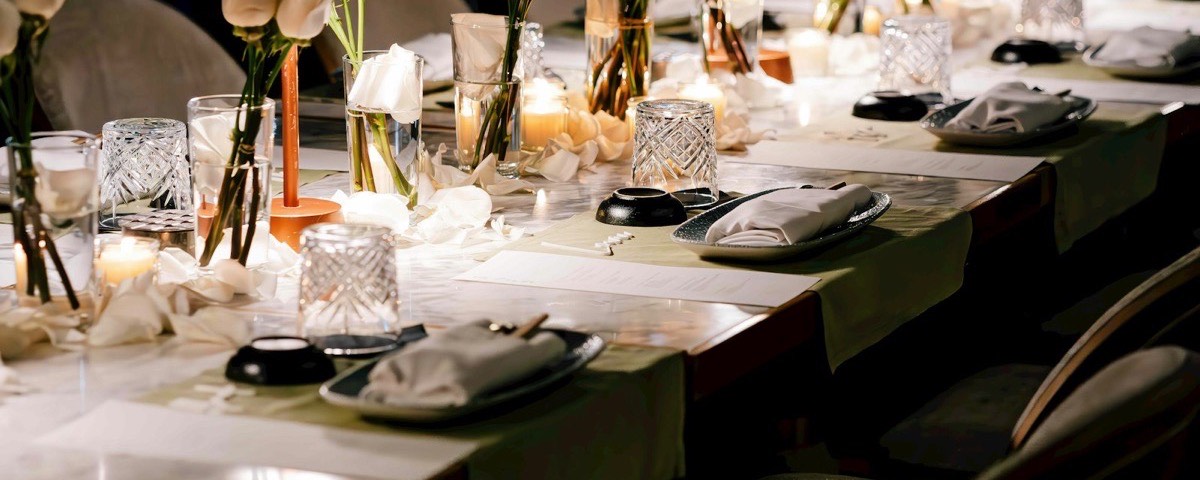
This is the single most impactful change you can make. Dim the overhead lights and use candles. Tea lights are inexpensive and instantly transform any space. The warm glow makes everyone look better and feel more relaxed. If you don't have candles, even a string of fairy lights can soften the atmosphere.
Music
Have a playlist ready before guests arrive. Choose something that sets the mood without competing with conversation - jazz, acoustic, lo-fi, or bossa nova all work well. Keep the volume low enough that people don't have to raise their voices.
Seating Arrangement
If you don't have a dining table that seats everyone, get creative. A coffee table with floor cushions can feel surprisingly cosy. You can also set up a buffet-style meal where people serve themselves and find comfortable spots around the room. The key is that everyone should be able to see and talk to each other.
05Day-of Timeline and Stress Management
The biggest mistake new hosts make is trying to do everything at the last minute. Here's a practical timeline to keep you sane.
The Day Before
Shop for all ingredients and drinks
Prepare any make-ahead dishes (soups, stews, and marinated meats all benefit from sitting overnight)
Clean your bathroom and common areas
Set out plates, cutlery, and glasses
Three Hours Before
Finish any remaining cooking
Set the table or serving area
Arrange lighting and start your playlist
Put out a snack for early arrivals - even a bowl of nuts or olives gives people something to do while you finish up
Thirty Minutes Before
Stop cooking and focus on making the space welcoming
Pour yourself a drink and take a breath
Remember that your guests are coming to see you, not to judge your cooking
If something goes wrong - and something usually does - own it with humour. Burned the garlic bread? Laugh about it and order pizza. Your guests will remember the laughter far longer than they'll remember the food.
06Being a Good Host During the Evening
Once guests arrive, your job shifts from cook to connector. Here's how to make sure everyone has a great time.
The First Fifteen Minutes
The opening of the evening sets the tone for everything that follows. Greet each person warmly, introduce them to anyone they haven't met, and offer them a drink immediately. Having a signature cocktail, a bottle of wine already open, or even a jug of sparkling water with lemon gives you something easy to offer.
Facilitating Conversation
Not every group will click immediately, and that's normal. Have a few conversation starters in your back pocket - these don't need to be formal or forced. Simple questions like "What's the best thing you've eaten recently?" or "Has anyone been watching anything good?" can spark natural discussion.
If you notice someone looking left out, gently bring them into the conversation. "Alex, you were just telling me about your trip to Portugal - tell everyone about that restaurant you found."
Knowing When to Clear and When to Linger
Don't rush to clear plates the moment people finish eating. Some of the best dinner party conversations happen in the lull after a meal, when people are relaxed and full. Let the evening breathe. When it feels natural, you can start clearing - and accept help when it's offered. Doing dishes together can actually be a surprisingly fun bonding moment.
07After the Party: Building on the Momentum
The dinner party shouldn't end when people leave. Send a quick message the next day - something simple like "Last night was really fun, we should do it again soon" keeps the connection warm and signals that you value the relationship.
If the evening went well, consider making it a regular event. A monthly dinner party or rotating host arrangement can become the foundation of a genuine community. Many lasting friendships and social circles have started around a table.
If you're looking for more ways to bring people together over food, consider starting a supper club or organising a potluck - both are excellent next steps that share the effort and expand the circle.
The most important thing to remember is this: your dinner party doesn't need to be perfect. It needs to be warm, welcoming, and genuine. The bar for a successful dinner party isn't Michelin-star food - it's that people leave feeling glad they came.
Related Questions
How many people should I invite to my first dinner party?
Start with four to six guests. This is small enough to manage comfortably but large enough to create good energy and conversation. As you gain confidence, you can scale up to eight or ten.
What should I cook if I'm not a good cook?
Focus on one-pot meals like chilli, baked pasta, a simple curry, or slow-cooked meat. These are forgiving, can be prepared in advance, and scale easily. There's no shame in buying bread, dessert, or other elements from a shop.
How do I handle dietary restrictions?
Ask about dietary needs when you invite guests. Choose naturally inclusive dishes like vegetable curry with rice or a build-your-own taco bar that can accommodate most restrictions without separate preparations.
What if something goes wrong during the dinner party?
Something will go wrong eventually, and that's fine. Own it with humour and move on. Burned the main course? Order takeaway and laugh about it. Your guests will remember your graciousness more than any mistake.
How do I keep the conversation flowing?
Have a few casual conversation starters ready and introduce guests who don't know each other by mentioning something they have in common. If someone seems left out, gently bring them in by referencing something they told you earlier.
 KF.Social