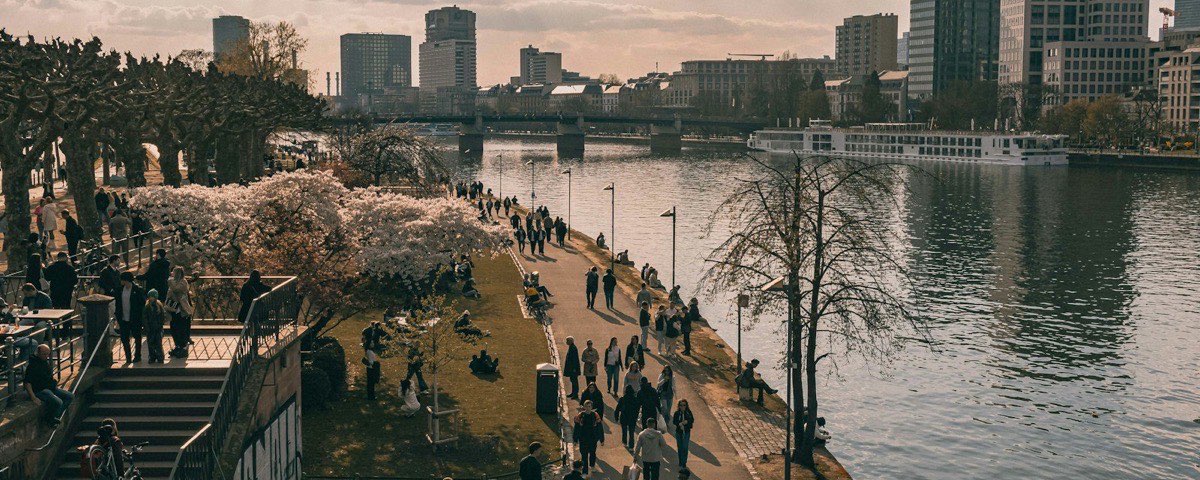
Discover 30 hobby communities across creative, active, intellectual, and social categories. Find the perfect group to match your interests and schedule.
One of the most reliable ways to build new friendships and enrich your daily life is to join a community built around something you genuinely enjoy. Hobby communities bring together people with a shared passion, so you start from a place of connection rather than starting cold.
Whether you're looking for something creative, physical, intellectual, or purely social, this list covers 30 types of hobby communities worth exploring in 2026, along with practical advice on how to find and join them.
01Creative and Artistic Communities
Key idea
Hobby communities give you common ground from day one, so conversations flow naturally and awkward silences are rare.
Creative hobbies have a unique advantage: they give you something to do with your hands while you talk, which makes social interaction feel more relaxed.
Pottery and ceramics groups: The resurgence of pottery continues in 2026. Studios often run weekly sessions where regulars get to know each other over the wheel. Many offer open studio time specifically designed for socialising while you work.
Watercolour and painting circles: Plein air painting groups meet outdoors to paint landscapes together, combining creativity with fresh air. Indoor groups often work from shared prompts or models.
Photography walks: Photowalks pair exploration of your local area with learning and practice. Groups typically meet weekly or monthly to walk a route together, then share and critique photos afterward.
Creative writing groups: Whether you write fiction, poetry, or personal essays, writing communities provide feedback, accountability, and encouragement. Many meet biweekly to share works in progress.
Fibre arts collectives: Knitting circles, crochet groups, and embroidery meetups have been social staples for centuries. They're wonderfully inclusive and conversations tend to be warm and wide-ranging.
Zine-making and printmaking: The DIY publishing scene has grown steadily. Zine fairs and printmaking workshops attract creative people who enjoy hands-on, analogue processes.
02Active and Outdoor Communities
If you prefer communities that get you moving, these options combine physical activity with genuine social connection.
Running clubs: Most cities have at least one free running club that welcomes all paces. The endorphin boost after a group run makes post-run socialising especially enjoyable.
Hiking and trail groups: Group hikes offer extended time together in a relaxed setting. The side-by-side nature of walking often leads to deeper conversations than sitting across from someone.
Cycling clubs: Road cycling, gravel riding, and mountain biking all have thriving communities. Many clubs organise weekly rides with coffee stops built in.
Climbing communities: Bouldering gyms have become social hubs. The combination of problem-solving and physical challenge creates a supportive, encouraging atmosphere.
Yoga and meditation groups: Community yoga classes, especially donation-based ones in parks, attract people who value mindfulness and connection.
Social sports leagues: Casual leagues for football, basketball, volleyball, ultimate frisbee, and other team sports prioritise fun over competition. Many explicitly welcome beginners.
Wild swimming groups: Open water swimming communities have exploded in popularity. The shared experience of cold water creates an immediate bond between participants.
Dance communities: Salsa, swing, tango, and folk dance groups combine movement with music and partner interaction. Most welcome complete beginners and rotate partners throughout the session.
03Intellectual and Learning Communities
For those who love ideas, discussion, and learning new things, these communities feed your curiosity while connecting you with thoughtful people.
Book clubs: The classic community format. Whether you join a local library group, an online community, or start your own, book clubs provide structure and guaranteed conversation topics.
Language exchange meetups: Practise a language you're learning while helping someone else practise yours. The mutual vulnerability of speaking imperfectly creates fast friendships.
Philosophy and debate groups: Socratic circles and philosophy cafes meet regularly in many cities. They attract curious, articulate people who enjoy examining ideas from multiple angles.
Astronomy clubs: Stargazing events, telescope meetups, and dark sky excursions combine science education with awe-inspiring experiences.
History and heritage groups: Local history societies, historical reenactment groups, and heritage walking tours connect you with people who care about the stories behind your area.
Science and maker spaces: Community labs, hackerspaces, and maker spaces offer tools, workshops, and collaborative projects. They attract people who love building and tinkering.
04Social and Lifestyle Communities
Sometimes the best communities aren't built around a specific skill but around a shared lifestyle, stage of life, or social preference.
Board game groups: The tabletop gaming renaissance shows no signs of slowing. Game cafes and weekly game nights provide structured fun with built-in interaction.
Supper clubs and cooking groups: Rotating dinner parties, themed cooking nights, and potluck groups combine food with friendship. The act of sharing a meal is one of humanity's oldest bonding rituals.
Gardening and allotment communities: Whether you have a balcony or a full plot, garden communities share knowledge, seeds, and produce. The slow pace of gardening encourages relaxed, regular interaction.
Dog walking groups: If you have a dog, social walks are one of the easiest communities to join. Dogs break the ice instantly, and walks happen rain or shine.
Volunteering groups: Environmental cleanups, food banks, mentoring programmes, and community building projects attract people who want to contribute. Working toward a shared purpose accelerates trust.
New-in-town groups: Specifically designed for people who have recently moved, these communities understand the challenge of starting over and are intentionally welcoming.
Parenting groups: New parent meetups, family activity groups, and school-based communities connect families going through similar stages. Shared challenges create quick rapport.
Digital detox and mindfulness circles: Groups focused on intentional living, screen-free socialising, and mindful practices attract people seeking deeper, more present connections.
Car and motoring enthusiasts: Classic car clubs, car meets, and road trip groups bring together people with a passion for vehicles. Events range from casual coffee-and-cars mornings to multi-day rallies.
Music communities: Jam sessions, open mic nights, choir groups, and vinyl listening clubs cater to every level of musical involvement, from passive listener to active performer.
05How to Choose the Right Community for You
With so many options, it helps to narrow your search strategically.
Start with genuine interest: Don't join a running club because you think you should run. Join because you actually want to. Authenticity makes social interaction feel effortless.
Consider logistics: A community that meets across town at an inconvenient time will be hard to stick with. Choose groups that fit naturally into your routine.
Check the vibe before committing: Most groups welcome visitors. Attend once or twice before deciding. Pay attention to how members treat newcomers.
Mix it up: Consider joining one active community, one creative or intellectual one, and one purely social one. Variety keeps life interesting and expands your network across different circles.
Use platforms designed for this: Apps like KF.Social help you browse interest-based communities by location, making it easy to find groups that match both your passions and your postcode.
06Making the Most of Your New Community
Joining is just the beginning. Here's how to turn membership into genuine belonging.
Be consistent: Regular attendance is the single biggest predictor of forming friendships. Make your community time a non-negotiable part of your schedule.
Initiate outside the group: Invite someone for a coffee after the session. Share something relevant in the group chat between meetings. Friendships deepen through one-on-one interaction.
Contribute without being asked: Bring something to share, help with setup, or offer to organise the next event. People notice and appreciate initiative.
Be patient: Deep belonging takes time. The first few weeks may feel surface-level, but trust builds through accumulated shared experiences.
Stay open: Some of the best friendships come from communities you joined on a whim. Don't write off a group too quickly, and don't assume you know what type of person you'll connect with.
The world is full of people looking for exactly the kind of connection you're looking for. A hobby community gives you a natural, low-pressure way to find them. Pick one from this list that sparks your curiosity, show up, and see what happens.
Related Questions
Do I need experience to join a hobby community?
Most hobby communities welcome beginners. In fact, many groups specifically enjoy introducing newcomers to their passion. Look for groups that describe themselves as beginner-friendly or all-levels, and don't hesitate to ask the organiser about the expected skill level before attending.
How much do hobby communities typically cost?
Many hobby communities are free or very low cost. Running clubs, hiking groups, and book clubs usually have no fees. Creative communities like pottery or cooking may charge for materials or studio access, typically ranging from a small weekly fee to a monthly membership. Volunteering groups are always free.
What if I try a community and don't enjoy it?
That's completely normal and expected. Not every group will be the right fit. Give it two or three sessions to form a fair impression, and if it still doesn't feel right, move on without guilt. Finding the right community often involves some trial and error.
Can I join multiple hobby communities at once?
Absolutely. Many people belong to two or three communities simultaneously. Just be realistic about your time and energy so you can attend consistently. It's better to be a regular at two groups than a sporadic visitor at five.
How do I find hobby communities near me?
Start with local event listings, community boards at libraries and cafes, and online platforms designed for connecting people through interests. Social apps, local Facebook groups, and community centres are all good starting points.
 KF.Social