KF.Social
 KF.Social Editorial
Most wraps are a wasted opportunity. A thin tortilla, a smear of something, a few sad leaves, and you have eaten a meal that did almost nothing for you. But a wrap is one of the best delivery systems for protein there is, portable, endlessly variable, and quick. The secret is to stop hunting for recipes and learn one formula. Once you have it, you can build a 40-gram wrap from whatever is in the fridge, forever.
The short version
- A great wrap is a formula, not a recipe: base, anchor, crunch, sauce. Nail the four slots and the fillings become interchangeable.
- Your base and anchor do most of the protein work. A high-protein tortilla plus a real protein filling can clear **40 grams** in one wrap.
- A standard flour tortilla brings 4 to 6 grams of protein. A high-protein wrap brings 10 to 15 grams, so the base itself is a free upgrade.
- The anchor is where the meal is won: chicken, tuna, eggs, tofu, tempeh, or beans in a genuine portion, not a token amount.
- Sauce makes it worth eating. Greek yoghurt, hummus, and cottage cheese blends add flavour and a little more protein without wrecking the numbers.
The four-slot formula
A wrap that satisfies and hits your protein target is always the same four things in different combinations. Memorise the slots and you can improvise indefinitely.
- Base. The tortilla. This is a quiet protein source most people ignore. Choosing well adds grams for free.
- Anchor. The main protein: chicken, tuna, eggs, tofu, tempeh, or beans, in a portion that actually matters.
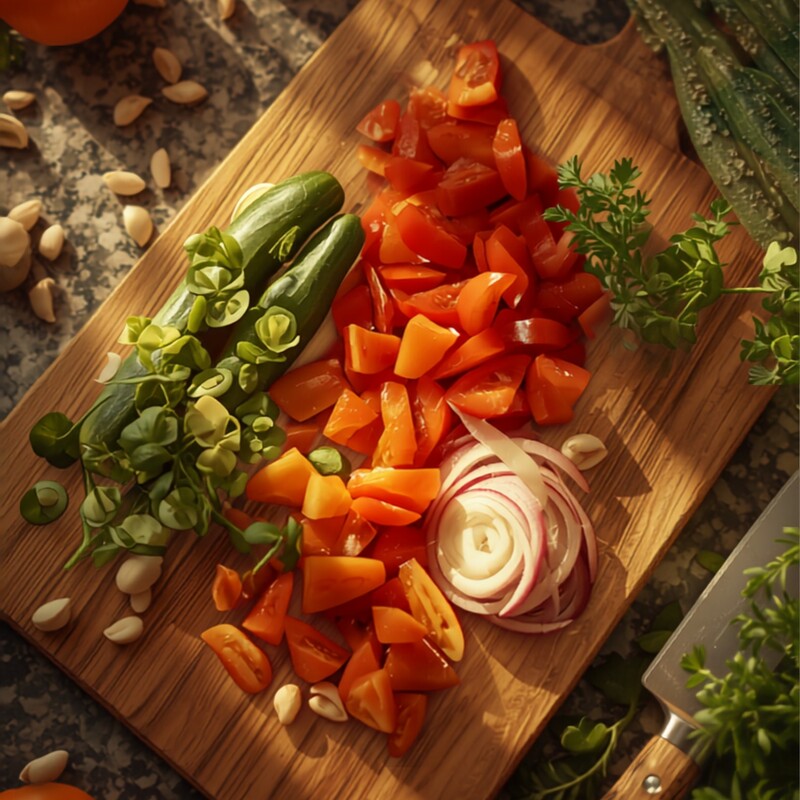
- Crunch. Vegetables and texture: peppers, slaw, cucumber, rocket, pickled onions. Freshness and volume for almost no calories.
- Sauce. The part that turns ingredients into a meal. Choose one that adds flavour and, ideally, a little more protein.
Recipes run out. A formula does not. Once you know base plus anchor plus crunch plus sauce, you can build a proper wrap from leftover roast chicken, a tin of beans, or last night's tofu without looking anything up.
Start with a better base
The tortilla is the most overlooked lever. A standard white flour tortilla gives you roughly 4 to 6 grams of protein. A high-protein wrap, now sold in most supermarkets, brings 10 to 15 grams for a similar calorie count. That is up to 10 extra grams before you have added a single filling, which is the easiest upgrade in this whole guide.
| Base | Typical protein | Notes |
|---|---|---|
| Standard flour tortilla | about 4 to 6 g | Fine, but the least productive choice |
| High-protein wrap | about 10 to 15 g | Often made with added wheat or soy protein |
| Wholemeal tortilla | about 5 to 7 g | More fibre, similar protein to white |
| Two corn tortillas | about 4 to 6 g | Naturally gluten-free, smaller, so use two |
High-protein wraps vary a lot by brand, from around 10 to 15 grams each. Check the label once, pick one you like, and it becomes your default. The base alone can be the difference between a 30-gram and a 40-gram wrap.
The anchor does the heavy lifting
This is where most wraps fall down. A few slices of deli meat or a spoon of tuna is a token, not an anchor. Aim for a portion that carries real protein. The research on meal distribution points to landing each main meal around 0.4 grams per kilogram of body weight, which for most people is roughly 30 to 40 grams, and the anchor is how you get there.
| Anchor | Portion | Protein |
|---|---|---|
| Cooked chicken breast | 120 g | about 37 g |
| Tinned tuna | 1 tin drained | about 25 g |
| Eggs, scrambled or boiled | 3 large | about 18 g |
| Firm tofu, baked | 150 g | about 18 to 26 g |
| Tempeh, sliced | 120 g | about 23 g |
| Refried or mashed beans | 150 g | about 12 g |
Pair a high-protein base with a solid anchor and the wrap does the job on its own. A high-protein wrap plus 120 grams of chicken lands near 50 grams. A high-protein wrap plus 150 grams of baked tofu clears 30 easily. Everything after that is flavour.
Plant-based wraps that hold up
Wraps are one of the easiest meals to make plant-based without any drop in quality. The move is the same as always: lead with a concentrated source and lean on a high-protein base.
- Tempeh and slaw wrap. 120 g grilled tempeh, red cabbage slaw, and a peanut-lime sauce. Around 25 grams from the tempeh alone, more with a protein base.
- Baked tofu and hummus wrap. 150 g baked firm tofu, cucumber, rocket, and a thick smear of hummus. Roughly 30 grams before the base.
- Spiced bean wrap. Mashed spiced black beans, corn, avocado, and salsa. Around 15 grams, so pair it with a high-protein base to clear 30.
- Falafel and tahini wrap. Four falafel, pickled veg, and a tahini-yoghurt-alternative sauce. A little lower, so add edamame or a soy yoghurt for a top-up.
Every meat wrap converts cleanly. Chicken becomes tofu or tempeh, tuna becomes chickpeas mashed with lemon, deli meat becomes marinated smoked tofu. Bump the portion slightly, keep the high-protein base, and the numbers hold. Soy anchors like tofu and tempeh are complete proteins, so no combining is needed.
Sauce, and how to roll it right
The sauce is what stops a healthy wrap from feeling like a chore. Some sauces even add protein. Blend Greek yoghurt or a soy yoghurt with garlic, lemon, and herbs; whip cottage cheese smooth with a little mustard; or use hummus, which brings a few grams of its own. A dressed wrap is a meal you look forward to, which is what makes the habit stick.
- Warm the base briefly. A few seconds in a dry pan or microwave makes the tortilla pliable so it rolls without cracking.
- Sauce the middle, not the edges. Keep a clean border so it seals. Lay the anchor in a line just off-centre.
- Fold the sides in first. Tuck the two short ends over the filling, then roll away from you, keeping it tight. This is what stops the classic mid-lunch blowout.
- Toast the seam down. Thirty seconds seam-side down in a hot dry pan seals the wrap and adds a bit of crisp. Optional, but it turns good into great.
The most common wrap mistake is too much sauce and too little anchor. The wrap goes soggy, splits, and still misses the protein target. Anchor first, sauce second, and keep the border dry.
Questions people ask
How much protein can a single wrap really have?
Are high-protein wraps actually worth buying?
What is the best plant-based wrap filling for protein?
How do I stop my wrap falling apart?
References
- Schoenfeld BJ, Aragon AA. Journal of the International Society of Sports Nutrition. How much protein can the body use in a single meal for muscle-building? Implications for daily protein distribution. 2018. doi.org/10.1186/s12970-018-0215-1
- U.S. Department of Agriculture, Agricultural Research Service. FoodData Central. 2024. fdc.nal.usda.gov
- Morton RW, et al. British Journal of Sports Medicine. A systematic review, meta-analysis and meta-regression of the effect of protein supplementation on resistance training-induced gains in muscle mass and strength in healthy adults. 2018. doi.org/10.1136/bjsports-2017-097608
Last reviewed 18 July 2026. We check health-condition articles against current guidelines and update the date above when we do.