KF.Social
 KF.Social Editorial
Cheap food gets a bad name it does not always deserve. Yes, plenty of the cheapest items in the shop are cheap because they are mostly sugar, refined flour, and oil. But some of the best-value foods on the shelf are also among the most nutritious things you can eat, they just never got a marketing budget. Oats, eggs, dried lentils, frozen spinach, and tinned mackerel will never be sold to you as a superfood, because nobody makes much money doing it. That is exactly why they are worth building a diet around.
The short version
- The best cheap foods are the ones that deliver fibre, protein, and micronutrients for pennies, not just cheap calories.
- Legumes, whole grains, and frozen vegetables are simultaneously the cheapest and among the most protective foods you can eat, linked to lower rates of heart disease and type 2 diabetes.
- Frozen vegetables match or beat fresh on nutrients, cost less, and barely ever go to waste.
- Eggs, milk, yoghurt, and tinned fish are the cheap, high-quality protein anchors.
- The trap is not price, it is cheap ultra-processed food. The cheap whole foods here are a different category entirely.
What makes a cheap food actually worth buying
A food earns a place on this list by giving you more than empty calories for your money. The nutrients that matter most for long-term health are the ones most people fall short on, and they turn out to be cheap. A large global analysis of diet and disease found the leading dietary risks worldwide were too much salt and too little whole grains, fruit, vegetables, nuts, and seeds. None of those gaps needs an expensive food to fill.
So the test for a cheap food is simple. Does it bring fibre, protein, or real micronutrients, or is it just cheap fuel? Oats, lentils, and frozen spinach pass easily. White bread and biscuits do not. The list below is the foods that pass, roughly in order of how much nutrition you get per pound spent.
The problem with a tight food budget is rarely the cheap whole foods. It is the cheap ultra-processed ones, the crisps, biscuits, and sugary drinks that are engineered to be affordable and moreish. Swapping those for cheap whole staples is the single biggest upgrade a budget diet can make.
The cheap staples worth stocking
Dried lentils, beans, and chickpeas
The best value on the list. A cup of cooked lentils costs pennies and brings roughly 18 grams of protein plus a big dose of fibre. Reviews of long-term studies link higher legume intake to lower risk of heart disease and type 2 diabetes. Buy them dried for the lowest cost, keep a few tins for busy nights.
Oats
A bag of own-brand porridge oats is one of the cheapest breakfasts going and one of the most useful. Oats are a whole grain high in a soluble fibre called beta-glucan, and the whole-grain and fibre evidence is about as strong as nutrition gets: a major series of reviews found higher intake linked to lower rates of heart disease, type 2 diabetes, and some cancers.
Eggs
Cheap, complete protein with a long list of micronutrients, and endlessly flexible. Two eggs give about 12 grams of high-quality protein for roughly 50 pence. For most people eggs are a genuinely healthy daily option, not something to ration.
Frozen vegetables
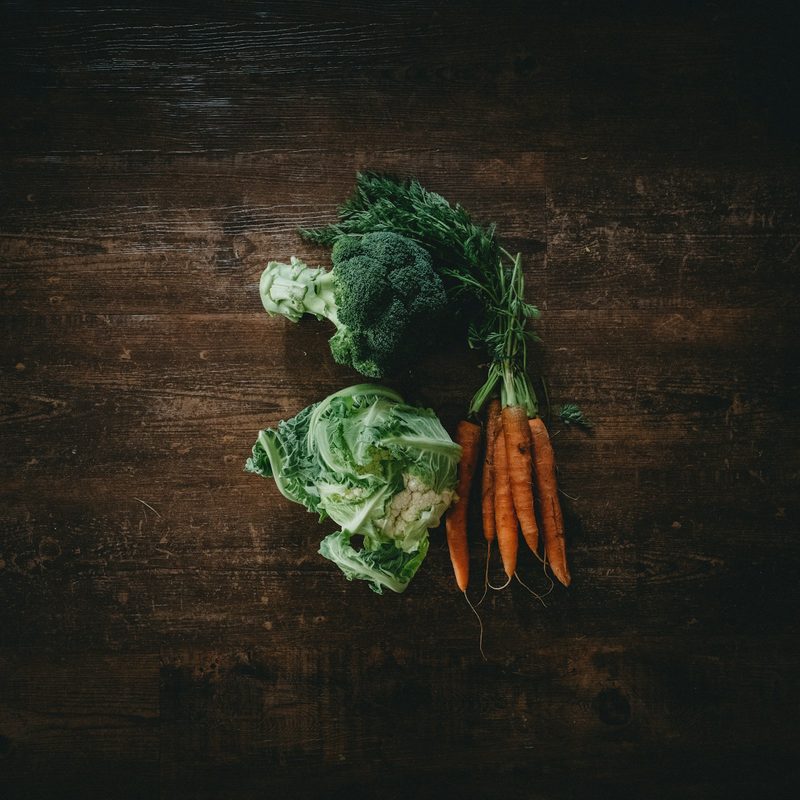
Frozen peas, spinach, and mixed veg are cheaper than fresh, last for months, and are just as nutritious. Studies comparing frozen and fresh find vitamin levels are comparable, sometimes higher in the frozen version, because it is frozen at peak ripeness rather than losing nutrients in transit. For a budget kitchen, frozen veg is the easiest win there is.
Tinned oily fish
Tinned mackerel, sardines, and salmon are among the cheapest ways to get omega-3 fats, and a tin brings around 20 to 25 grams of protein. Tinned sardines and salmon with the bones in also add calcium. A tin costs about a pound and turns a plain base into a proper meal.
Potatoes, milk, and yoghurt
Potatoes are a cheap, filling source of potassium, vitamin C, and fibre if you keep the skins on. Milk and own-brand yoghurt are cheap, high-quality protein plus calcium. Buy the big yoghurt tub rather than small pots and the cost per gram of protein drops sharply.
Wholegrain pasta, brown rice, and bananas
Wholemeal pasta and brown rice cost about the same as their white versions but bring more fibre, and they carry a meal for pennies a portion. Bananas are one of the cheapest fruits going, travel well, and bring potassium and a little fibre. Frozen berries and tinned fruit in juice round out the fruit side cheaply, without the waste that fresh berries so often cause. None of these is glamorous, and that is precisely why they stay cheap.
What you get for your money
Ranked roughly by nutrition per pound spent. Prices are approximate own-brand estimates and move around, but the value ordering is stable.
| Food | Roughly per serving | What it brings |
|---|---|---|
| Dried lentils | about £0.20 | Protein, fibre, iron |
| Oats | about £0.15 | Whole-grain fibre, slow energy |
| Frozen mixed veg | about £0.25 | Vitamins, fibre, near-zero waste |
| Eggs (2) | about £0.50 | Complete protein, micronutrients |
| Milk (500 ml) | about £0.35 | Protein, calcium |
| Tinned oily fish | about £1.00 | Protein, omega-3, calcium |
| Potatoes | about £0.20 | Potassium, vitamin C, fibre |
Oats and milk for breakfast, a lentil or bean dinner most nights, eggs and tinned fish for the quick meals, frozen veg with everything, and potatoes to fill the plate. That is a high-fibre, high-protein, genuinely healthy week built entirely from the cheapest shelf in the shop.
The cheap foods that aren't worth it
Not every bargain earns a spot. Some cheap foods are cheap precisely because they are stripped of the nutrition that matters, and leaning on them is where a budget diet actually goes wrong.
- Sugary drinks and squash. Cheap calories with nothing useful attached. Water, tea, and coffee cost less and do more.
- Biscuits, crisps, and cheap pastries. Engineered to be affordable and easy to overeat, low on fibre and protein. Fine occasionally, poor as a staple.
- White bread as the whole meal. Not harmful, but as the centre of the plate it crowds out fibre. The wholemeal version costs about the same.
- Cheap processed meat in bulk. Often cheaper per pound than legumes but a poorer nutritional deal, and high intake carries its own risks. Use legumes as your cheap protein base instead.
It is not spending too little. It is spending your limited budget on foods engineered to be cheap and moreish rather than on cheap whole foods. The lentils, oats, and frozen veg cost less and do more, so the swap saves money and improves the diet at the same time.
Questions people ask
What is the single most nutritious cheap food?
Are frozen vegetables really as healthy as fresh?
Is eating cheaply bad for my health?
How do I get five a day on a budget?
References
- Reynolds A, et al. The Lancet. Carbohydrate quality and human health: a series of systematic reviews and meta-analyses. 2019. doi.org/10.1016/S0140-6736(18)31809-9
- Afshin A, et al. The Lancet. Health effects of dietary risks in 195 countries, 1990 to 2017: a systematic analysis for the Global Burden of Disease Study 2017. 2019. doi.org/10.1016/S0140-6736(19)30041-8
- Bouzari A, Holstege D, Barrett DM. Journal of Agricultural and Food Chemistry. Vitamin Retention in Eight Fruits and Vegetables: A Comparison of Refrigerated and Frozen Storage. 2015. doi.org/10.1021/jf5058793
- Viguiliouk E, et al. Advances in Nutrition. Associations between Dietary Pulses Alone or with Other Legumes and Cardiometabolic Disease Outcomes: An Umbrella Review and Updated Systematic Review and Meta-analysis of Prospective Cohort Studies. 2019. doi.org/10.1093/advances/nmz113
Last reviewed 18 July 2026. We check health-condition articles against current guidelines and update the date above when we do.