KF.Social
 KF.Social Editorial
Somewhere along the way, gut health turned into a supplement aisle. But the most reliable thing you can do for the trillions of microbes living in your gut is cheap and unglamorous: feed them a wide variety of plants. Not more of one so-called superfood, but many different ones. The number that has stuck, thanks to one of the largest gut studies ever run, is thirty different plants a week. Here is where that figure comes from, what actually counts, and how to hit it without turning every meal into a project.
The short version
- The target comes from the American Gut Project, which found people eating more than 30 different plant types a week had more diverse gut microbes than those eating 10 or fewer.
- A more diverse gut microbiome is linked to better resilience, and the simplest way to build it is eating a wider range of plants, not a bigger pile of the same one.
- It is 30 different plants, not 30 portions. Six raw vegetables in one salad already counts as six.
- Vegetables, fruit, whole grains, beans, lentils, nuts, seeds, herbs and spices all count. Herbs and spices count as quarter points.
- Most people land around 15 to 20 without trying. Getting to 30 is usually a matter of variety at breakfast and a few small swaps.
Where the number 30 comes from
The 30-plants target is not a marketing slogan. It traces back to the American Gut Project, a large citizen-science study that collected gut samples and diet information from more than 10,000 people across the United States, United Kingdom, and Australia. When researchers sorted people by how many different plant types they ate each week, a clear pattern showed up.
People who reported eating more than 30 different plant types a week had a noticeably more diverse collection of gut microbes than people eating 10 or fewer. Microbe diversity is not a perfect health score, but a richer, more varied gut community tends to be more resilient, better at producing helpful compounds, and less easily thrown off by illness or antibiotics.
This is an observed pattern, not proof that hitting exactly 30 fixes anything. But the mechanism is sound: different plants carry different fibres and plant compounds, and different microbes feed on different fibres. Feed a wider menu, support a wider community.
What actually counts as a plant
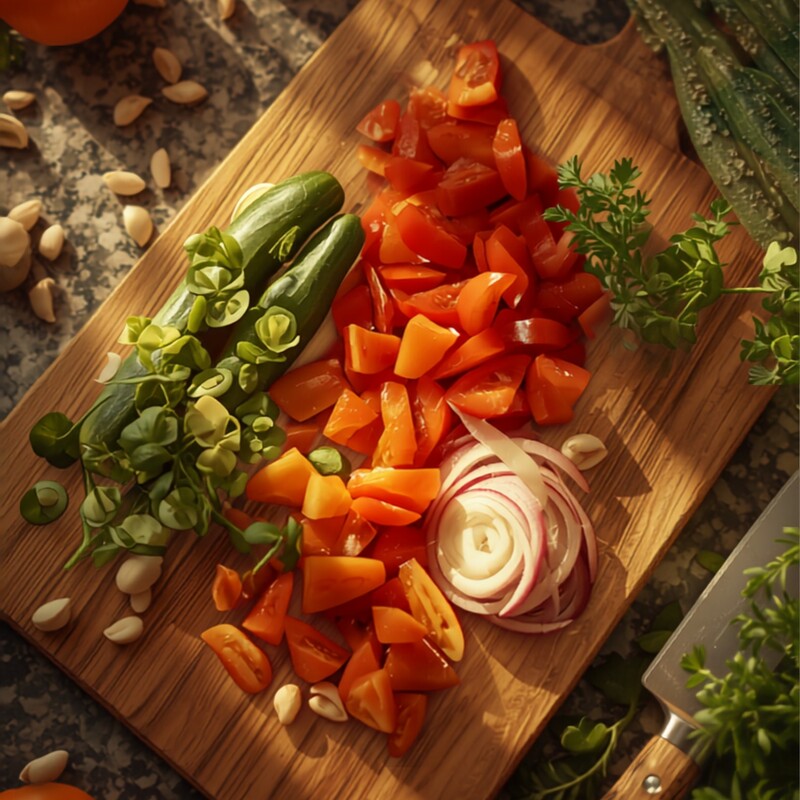
The rule that trips people up: it is 30 different plants, not 30 portions and not 30 vegetables. Variety is the whole point, so almost anything from a plant counts once per week, no matter how many times you eat it. A single mixed salad with lettuce, tomato, cucumber, red onion, carrot, and a sprinkle of seeds is already six or seven toward your total.
| Category | Examples | How it scores |
|---|---|---|
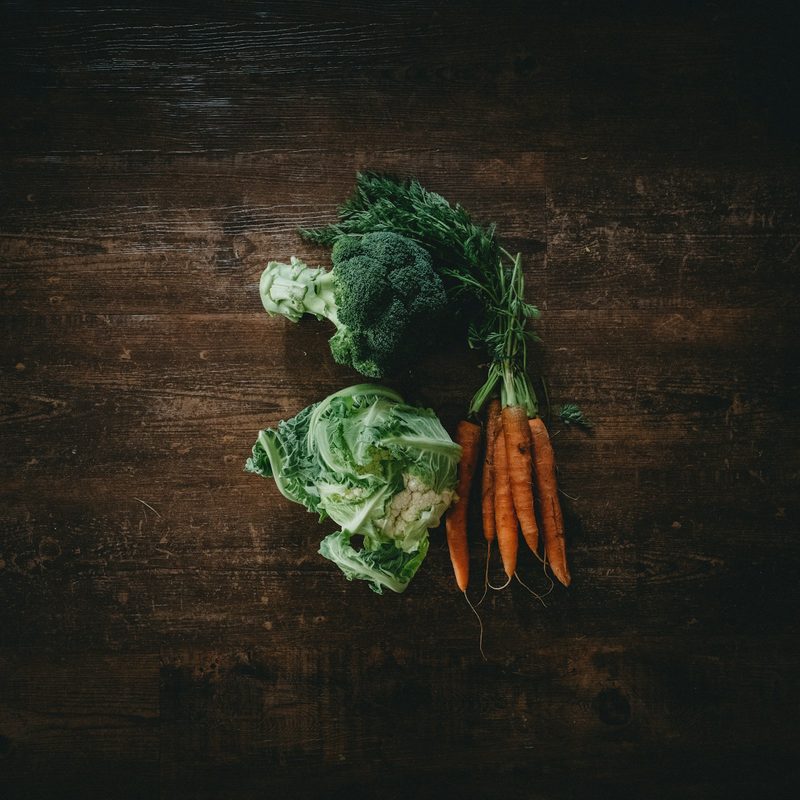
| Vegetables | Broccoli, carrot, spinach, peppers, courgette | 1 point each |
| Fruit | Apple, berries, banana, orange, kiwi | 1 point each |
| Whole grains | Oats, brown rice, quinoa, wholemeal bread, barley | 1 point each |
| Beans and lentils | Chickpeas, black beans, red lentils, kidney beans | 1 point each |
| Nuts and seeds | Almonds, walnuts, pumpkin seeds, chia, flax | 1 point each |
| Herbs and spices | Basil, cumin, cinnamon, ginger, turmeric | quarter point each |
Different varieties of the same plant count separately, so a red apple and a green apple are two, and red and white onions are two. Herbs and spices are scored as quarter points because you eat tiny amounts, but they still bring plant compounds worth having, and four of them make a whole point. What does not count: heavily processed foods where the plant is barely recognisable, and the same food eaten five times, which is still just one.
Frozen mixed vegetables, tinned beans, mixed-seed toppers, tinned tomatoes, and jars of mixed herbs are cheap, keep for months, and each bag or blend can add several plants at once. Variety does not have to mean a bigger shopping bill.
How to actually hit 30
Most people already sit around 15 to 20 without thinking about it. The gap to 30 usually hides in repetitive breakfasts and single-vegetable dinners. You close it with a handful of habits, not a diet overhaul.
- Count one ordinary week first. Before changing anything, jot down every different plant you eat for seven days. Almost everyone is surprised, in both directions. You need the starting number to know where the gaps are.
- Upgrade breakfast. This is the meal that repeats. Oats topped with berries, a chopped nut, and seeds can add four or five plants before the day starts, every single day.
- Add a mixed base to dinners. A bag of frozen mixed vegetables or a tin of mixed beans turns a one-plant plate into a four-plant plate with no extra prep.
- Keep a scatter jar. A jar of mixed seeds and one of mixed nuts by the hob. A spoonful on porridge, salad, soup, or yoghurt quietly adds variety to whatever you are already eating.
- Shop the rainbow, not the routine. Each shop, swap one usual item for a colour you rarely buy. Over a month that alone can add six or seven new plants to your rotation.
If you currently eat little fibre, jumping to 30 plants overnight can leave you bloated and gassy while your gut adjusts. Build up over two to four weeks and drink enough water. The goal is a habit you keep, not a miserable sprint.
Why variety beats a single superfood
There is no single plant that does it all. Fibre is not one substance, it is a family of them, and your gut microbes are specialists. Some thrive on the soluble fibre in oats and beans, others on the resistant starch in cooled potatoes and lentils, others on compounds in onions, garlic, and leeks. Eat only one hero food and you feed only its fans, while the rest of the community goes hungry.
That is the honest reason a broad plant range beats any supplement or superfood. When you spread your plants wide, more microbe species have something to eat, and a more varied community produces a wider range of the helpful compounds, such as short-chain fatty acids, that a healthy gut depends on. Variety is the active ingredient, and no pill replicates it.
Make it a challenge people actually keep
Thirty is a satisfying number to chase, which is exactly why it works as a challenge rather than a chore. Counting turns a vague goal into a game with a scoreboard, and doing it with other people turns it into something you look forward to. A shared tally, a weekly photo of a new plant someone tried, a running list of swaps that worked: these are what carry a habit past the first fortnight.
- Run a weekly count with a friend, partner, or a group and compare totals on the same day each week.
- Set a group rule that everyone adds one plant they have never cooked each week, then shares how it went.
- Pool a swaps list, so a cheap win one person finds becomes everyone's win.
- Track your own weekly number over a month and aim to beat your average, not anyone else's.
You will not count forever. After a month or two, a varied plate becomes automatic and the number takes care of itself. The counting is training wheels for a habit, not a rule you are stuck with for life.
Questions people ask
Does it have to be exactly 30?
Do coffee, tea, and dark chocolate count?
Is 30 plants a lot of extra food or calories?
What if more plants make me bloated?
References
- McDonald D, et al. mSystems. American Gut: an Open Platform for Citizen Science Microbiome Research. 2018. doi.org/10.1128/mSystems.00031-18
- Reynolds A, et al. The Lancet. Carbohydrate quality and human health: a series of systematic reviews and meta-analyses. 2019. doi.org/10.1016/S0140-6736(18)31809-9
Last reviewed 18 July 2026. We check health-condition articles against current guidelines and update the date above when we do.